When your Hyundai has been damaged, you need more than a shop that can make the exterior look presentable. You need a Hyundai body shop that understands modern vehicle construction, structural repair, electronic safety systems, paint refinishing, and the detailed process required to return your vehicle to safe, dependable condition.
At Metro Collision Center, we provide comprehensive Hyundai collision repair for drivers throughout Los Angeles. From a scraped Elantra bumper or dented Tucson door to structural damage on a Santa Fe, Palisade, Sonata, Kona, Santa Cruz, IONIQ, or NEXO, we plan every repair around the vehicle, the damage, and the applicable manufacturer information.
Our goal is straightforward: restore your Hyundai’s safety, appearance, alignment, and everyday usability while making the repair process as manageable as possible for you.
We provide:
- Collision damage assessment
- Hyundai bumper repair and replacement
- Dent and panel repair
- Computerized damage diagnostics
- Structural and unibody repair
- Frame measuring and straightening
- Factory-quality paint matching
- Wheel and rim repair
- Glass and windshield replacement
- Advanced driver-assistance system assessment
- Pre-repair and post-repair diagnostic planning
- Electric and hybrid vehicle repair
- Insurance claim assistance
- Repair updates from estimate through delivery
Metro Collision Center is located at 5227 W Pico Blvd, Los Angeles, CA 90019. Since 2010, we have helped Los Angeles vehicle owners move forward after accidents with clear communication, careful workmanship, and a customer-first repair experience.
Call (323) 931-1369 or contact Metro Collision Center to request an estimate for your Hyundai.
Metro Collision Center at a glance
Address | 5227 W Pico Blvd, Los Angeles, CA 90019 (Mid-City) |
Phone | (323) 931-1369 |
metrocollisioncenter@gmail.com | |
Hours | Mon–Fri: 8 AM–5 PM, Sat-Sun: Closed |
In business since | 2010, founded by owner Danny Santizo |
Shop type | Independent collision repair shop (not a Hyundai Certified Collision Center) |
California BAR registration | ARD #260595 |
Insurance | We work with all major insurers and coordinate supplements directly with adjusters |
Customer rating | 4.6 stars from 113 Google reviews |
Hyundai models | Sedans, hatchbacks, SUVs, crossovers, pickup trucks, N performance models, IONIQ electric models, hybrids, plug-in hybrids, and hydrogen fuel-cell vehicles. |
A Complete Hyundai Body Shop in Los Angeles
A Hyundai may look relatively simple from the outside, but what sits behind its bumpers, panels, windshield, and lighting assemblies can be considerably more complex.
Depending on the model and trim, a modern Hyundai may include high-strength structural materials, multiple airbag and restraint components, front-facing cameras, radar units, parking sensors, blind-spot monitoring equipment, electronic control modules, and Hyundai SmartSense driver-assistance technology.
That means a repair cannot be judged only by whether the paint is shiny or the body gaps look acceptable.
A complete repair may require us to consider:
- What happened during the collision
- The direction and severity of the impact
- Whether exterior damage may be hiding internal damage
- Whether a panel can be safely repaired or must be replaced
- Whether structural measuring is necessary
- Which components must be inspected after the impact
- Whether wiring, brackets, mounts, or sensors were disturbed
- Whether the repair requires diagnostic scanning
- Whether cameras or radar units need aiming, initialization, or calibration
- Which refinishing steps are appropriate for the vehicle
- What final inspections are needed before delivery
Hyundai itself publishes collision-related technical positions, including guidance on structural replacement components and pre-repair and post-repair system scanning. We use applicable repair information and vehicle-specific findings to build a responsible repair plan—not a one-size-fits-all checklist.
Hyundai Collision Repair Services
Every accident is different. A low-speed parking impact may damage a bumper cover, reinforcement, sensor bracket, or mounting tab. A side impact may affect doors, a quarter panel, a rocker area, restraints, and wheel alignment. A larger collision may require structural measurement, panel replacement, mechanical inspection, diagnostic work, and refinishing across several panels.
Our collision repair service brings those operations together under a coordinated repair process.
Hyundai repair need | What may be involved | Why professional inspection matters |
Bumper damage | Bumper cover repair or replacement, reinforcement inspection, brackets, absorbers, sensors, paint | Damage behind the visible cover may not be obvious from outside |
Dents and door damage | Paintless dent repair when appropriate, conventional body repair, panel replacement, alignment, refinishing | Intrusion beams, hinges, wiring, glass mechanisms, and gaps may also be affected |
Front-end collision | Hood, fenders, grille, lamps, cooling components, structure, radar, camera, alignment | Cosmetic damage can accompany structural, mechanical, or electronic damage |
Rear-end collision | Trunk or liftgate, rear body panel, quarter panels, bumper system, blind-spot sensors | Radar units and mounting locations may require inspection or calibration |
Side-impact damage | Doors, rocker panels, pillars, quarter panel, restraints, suspension | Side structures and occupant-protection systems require careful evaluation |
Paint scratches and chips | Surface preparation, paint repair, blending when required, clear coat, polishing | Correct color and finish depend on more than using the paint code alone |
Structural damage | Computerized measurement, straightening or replacement procedures, welding, repair verification | Vehicle geometry affects handling, panel fit, occupant protection, and calibrations |
Hyundai EV damage | High-voltage precautions, isolation planning, body repair, diagnostic checks | Electric vehicles introduce battery and high-voltage safety considerations |
Windshield damage | Glass replacement, sealing, camera inspection, possible calibration | A windshield-mounted camera may be part of lane or forward-safety systems |
Wheel or suspension impact | Wheel repair, alignment-related inspection, suspension assessment | A vehicle can look repaired while still pulling, vibrating, or wearing tires unevenly |
We will explain which of these operations apply to your Hyundai after inspection and, when necessary, disassembly.
Bumper Repair That Accounts for What Is Behind the Cover
Bumper damage is one of the most common reasons Hyundai owners visit our shop. It is also one of the most frequently underestimated types of collision damage.
The visible bumper cover is only one part of the assembly. Depending on the model, the area behind or around it may contain:
- Energy-absorbing material
- A reinforcement beam
- Brackets and mounting tabs
- Grille shutters
- Parking sensors
- Blind-spot radar
- Forward radar
- Wiring harnesses
- Lamps, reflectors, and cameras
- Air guides and lower shields
A crack, dent, pushed-in corner, or unusual body gap can therefore be more than a cosmetic concern. Even when a Hyundai remains drivable, the underlying mounting structure or a sensor bracket may have moved.
Our front bumper repair service and rear bumper repair service address both appearance and the related components affected by the impact.
If you are considering postponing a small repair, read our article about why a tiny bumper dent could cost more later. Prompt inspection can help identify broken attachments, exposed surfaces, hidden deformation, or sensor-related concerns before they become harder to resolve.
Precise Dent Removal and Hyundai Panel Repair
Some Hyundai dents can be corrected without replacing the affected panel. Others require conventional bodywork, refinishing, or replacement.
The right approach depends on:
- The depth and shape of the dent
- Whether the metal has stretched
- The location of the damage
- Access behind the panel
- Damage to body lines or panel edges
- Whether the paint has cracked
- The material and construction of the panel
- Nearby reinforcements, wiring, or safety components
Paintless dent repair may be appropriate when the finish is intact and the damaged area can be safely accessed and reshaped. Deeper creases, sharp impact points, torn metal, damaged edges, and collision-related misalignment usually require a different approach.
Our dent repair and removal service is available for door dings, parking damage, fender dents, quarter-panel damage, and other repairable imperfections. We will tell you whether paintless dent repair, conventional repair, or panel replacement makes the most sense for your Hyundai.
Hyundai Paint Matching and Refinishing
A successful body repair should not announce where the accident happened.
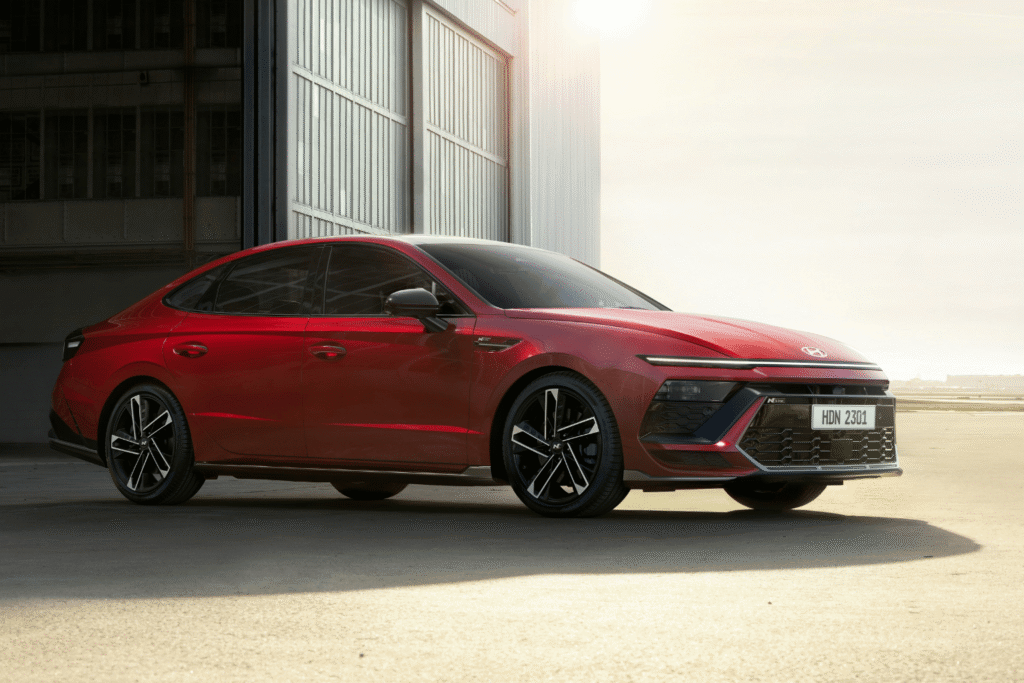
Hyundai vehicles are available in solid, metallic, pearl, and multi-stage finishes. Even when the factory paint code is known, the exact appearance can be affected by the vehicle’s age, sun exposure, previous refinishing, application method, metallic orientation, and normal production variation.
Our refinishing process may include:
- Identifying the Hyundai paint code.
- Evaluating the existing finish under appropriate lighting.
- Preparing the repaired or replacement surface.
- Refining the color formula when needed.
- Creating spray-out samples to verify the match.
- Applying basecoat and clear coat using controlled refinishing methods.
- Blending adjacent areas when necessary for a visually continuous result.
- Inspecting color, texture, gloss, and panel transitions.
- Polishing the repaired area as appropriate.
Our auto paint repair service covers scratches, scuffs, chips, repaired panels, replacement panels, and collision refinishing.
Paint work near radar units or sensor-covered areas must also be approached carefully. Hyundai has published technical guidance explaining that damage, contamination, or paint overspray can affect certain bumper-mounted radar units. This is one reason we look at the full repair system rather than treating refinishing as a purely cosmetic step.
Hyundai Structural and Unibody Repair
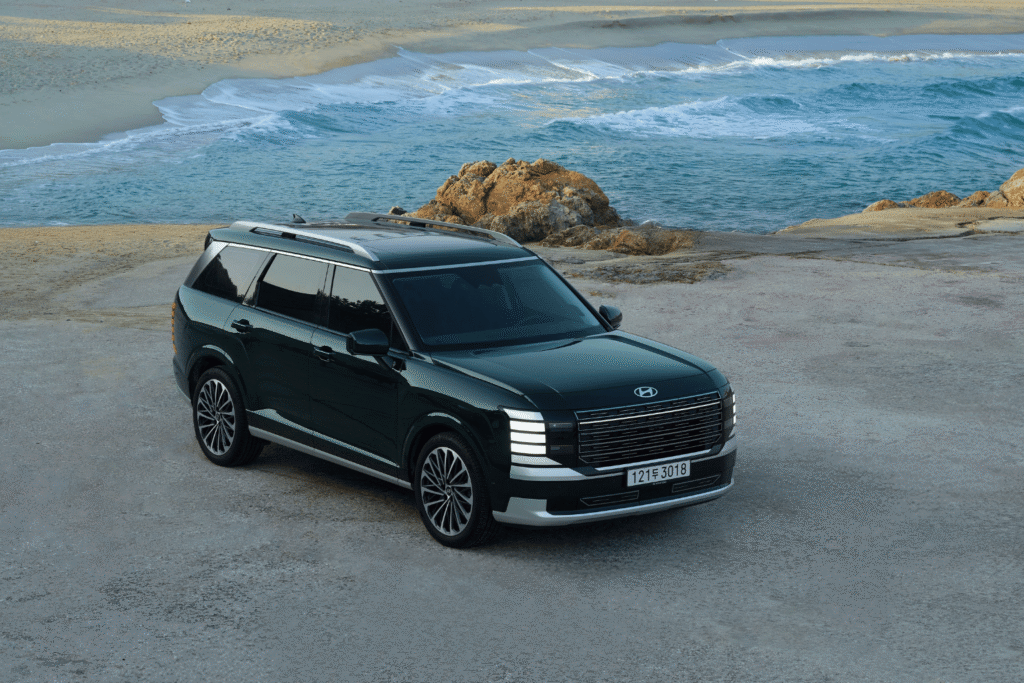
Many Hyundai passenger vehicles use a unibody structure. Instead of sitting on a separate traditional frame, the vehicle’s body and structural components work together as an engineered system.
Following a significant impact, we may need to evaluate:
- Frame rails and side members
- Aprons
- Rocker panels
- Pillars
- Floor sections
- Roof-related structures
- Radiator support areas
- Rear body panels
- Suspension mounting locations
- Weld zones and attachment points
- Panel gaps and overall vehicle dimensions
A vehicle does not need to look severely crushed to have dimensional changes. Misalignment can show up as a hood that will not sit correctly, a door that closes differently, a steering concern, irregular tire wear, or repeated difficulty aligning exterior panels.
Our team uses computerized damage analysis, measuring, and repair-verification methods to identify deviations and guide the repair. When straightening or replacement is required, the procedure must account for the component’s location, material, attachment method, and role within the vehicle.
Hyundai recommends genuine replacement components when structural or non-structural body components require replacement. Its published structural-parts statement warns that alternative parts may affect crashworthiness and occupant safety. You can review that guidance in Hyundai’s official Structural Components position statement.
Hyundai SmartSense, Sensors, Cameras, and ADAS
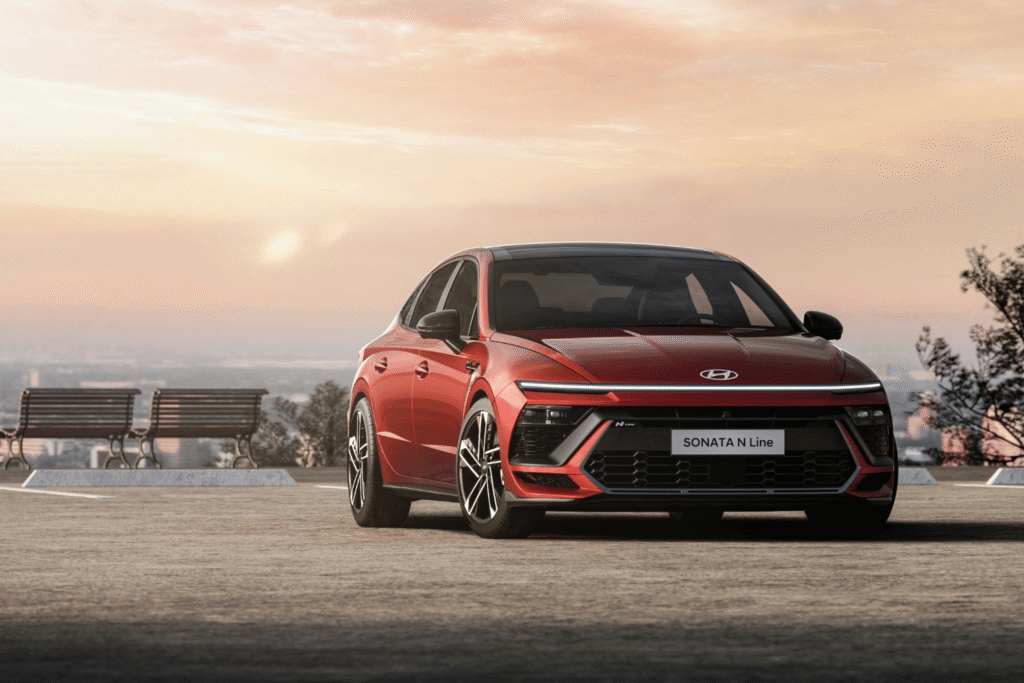
Many current Hyundai vehicles offer Hyundai SmartSense technologies. Features vary by model, model year, equipment, and trim, but may include:
- Forward Collision-Avoidance Assist
- Lane Keeping Assist
- Lane Following Assist
- Blind-Spot Collision Warning
- Blind-Spot Collision-Avoidance Assist
- Rear Cross-Traffic Collision-Avoidance Assist
- Smart Cruise Control
- Parking Distance Warning
- Surround View Monitor
- Highway Driving Assist
- Driver Attention Warning
Hyundai describes these technologies on its official SmartSense safety page. They are driver-assistance features, not substitutes for attentive driving, but they can depend on accurately positioned cameras, radar units, ultrasonic sensors, brackets, glass, wheels, and body components.
Collision repair can affect these systems in ways that are not visually obvious.
For example:
- Front-end damage can disturb forward radar or its mounting position.
- Rear bumper damage may affect blind-spot radar units.
- Windshield replacement may affect a forward-facing camera.
- Suspension or structural repair can change vehicle geometry.
- A removed bumper may require inspection or calibration procedures.
- Refinishing near a sensor can affect how the area must be prepared and coated.
- Disconnected modules may set diagnostic trouble codes.
- Replacement parts may require programming, initialization, or aiming.
Depending on the Hyundai and the operations performed, a repair plan may call for pre-repair scanning, post-repair scanning, static calibration, dynamic calibration, programming, aiming, or system initialization.
We identify applicable operations using the vehicle’s model, year, trim, equipment, diagnostic results, damage location, and current repair information. We do not assume that a warning light will always appear when a system has been disturbed.
Hyundai Electric Vehicle and Hybrid Body Repair
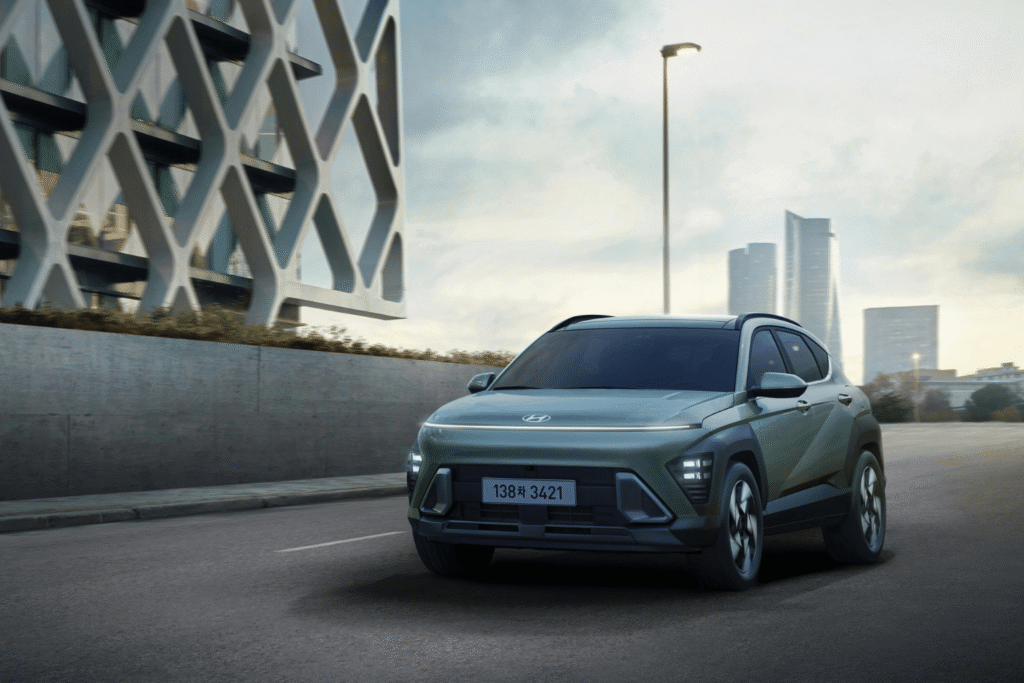
Hyundai’s expanding electrified lineup includes vehicles such as the IONIQ 5, IONIQ 5 N, IONIQ 6, IONIQ 9, Kona Electric, Tucson Hybrid, Tucson Plug-in Hybrid, Santa Fe Hybrid, Santa Fe Plug-in Hybrid, Elantra Hybrid, Sonata Hybrid, Palisade Hybrid, and NEXO.
Collision repairs involving electrified vehicles require additional planning.
Important considerations can include:
- Identifying the propulsion system before work begins
- Following high-voltage safety precautions
- Inspecting areas near the battery enclosure
- Protecting high-voltage cables and components
- Observing lifting and anchoring restrictions
- Avoiding heat exposure that conflicts with vehicle requirements
- Checking cooling systems and underbody protection
- Coordinating diagnostic work
- Following storage and handling precautions when required
- Confirming whether the vehicle can be safely powered, moved, or charged
Our electric vehicle repair service gives Hyundai EV and hybrid owners access to collision and body repair planned around the additional requirements of electrified vehicles.
Not every impact reaches the high-voltage system. However, that determination should come from proper assessment rather than an assumption based only on exterior appearance.
Hyundai Models We Repair
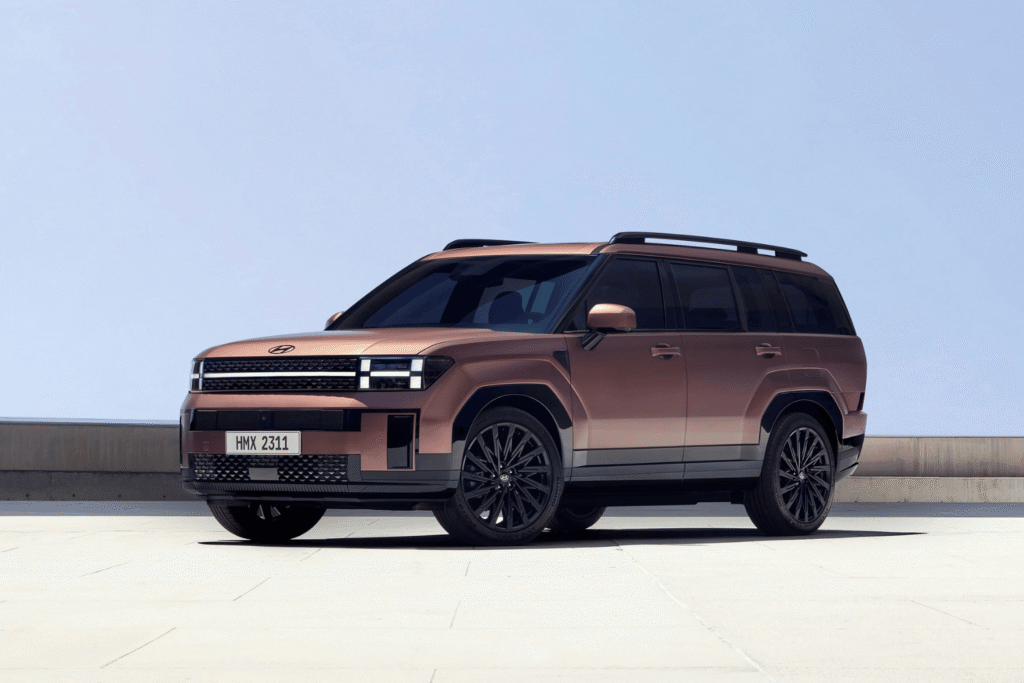
Metro Collision Center works on Hyundai sedans, hatchbacks, crossovers, SUVs, performance vehicles, hybrids, plug-in hybrids, fuel-cell vehicles, and battery-electric vehicles.
Models we can assess and repair include:
- Hyundai Accent
- Hyundai Elantra
- Hyundai Elantra Hybrid
- Hyundai Elantra N
- Hyundai Sonata
- Hyundai Sonata Hybrid
- Hyundai Venue
- Hyundai Kona
- Hyundai Kona Electric
- Hyundai Tucson
- Hyundai Tucson Hybrid
- Hyundai Tucson Plug-in Hybrid
- Hyundai Santa Fe
- Hyundai Santa Fe Hybrid
- Hyundai Santa Fe Plug-in Hybrid
- Hyundai Palisade
- Hyundai Santa Cruz
- Hyundai IONIQ
- Hyundai IONIQ 5
- Hyundai IONIQ 5 N
- Hyundai IONIQ 6
- Hyundai IONIQ 9
- Hyundai NEXO
- Discontinued and earlier Hyundai models for which appropriate parts and repair information remain available
The exact scope always depends on the vehicle, damage, available repair procedures, parts availability, and the systems affected.
Our Hyundai Collision Repair Process
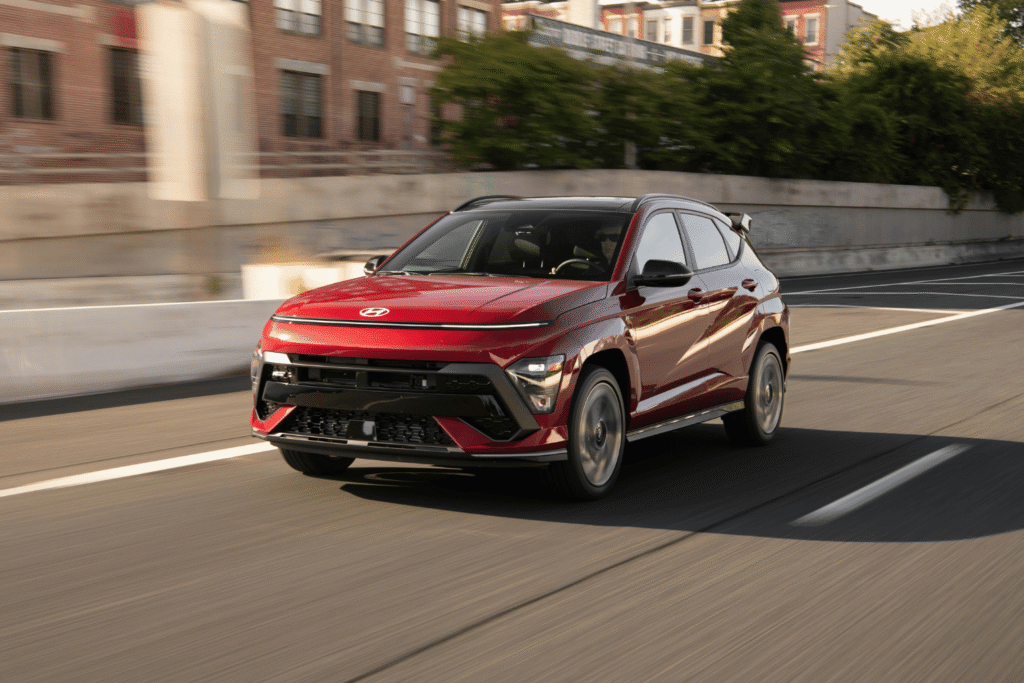
A reliable collision repair is a sequence of connected decisions. We keep you informed while coordinating the technical, insurance, parts, body, paint, and quality-control stages.
1. Initial Conversation and Vehicle Intake
We begin by learning what happened and what concerns you have noticed.
Tell us if your Hyundai:
- Pulls or drives differently
- Displays a warning message
- Has malfunctioning parking sensors
- Makes a new noise
- Leaks fluid
- Has a door, hood, or liftgate that no longer closes properly
- Has a wheel rubbing or sitting at an unusual angle
- Was towed after the accident
- Is an electric or hybrid model
- Has prior damage in the affected area
This information helps us focus the initial assessment.
2. Visible Damage Assessment
We inspect accessible exterior and interior areas, photograph the damage, and identify visible repair needs. The initial estimate is based on what can be evaluated before disassembly.
This is an important distinction: an initial estimate is not always the final repair plan.
Bumpers, liners, trim, lamps, panels, and other components can conceal broken retainers, bent reinforcements, wiring damage, corrosion protection concerns, or structural changes.
3. Diagnostic and Procedure Planning
Depending on the damage and vehicle equipment, the planning stage may involve:
- VIN-based vehicle identification
- Diagnostic scanning
- Wheel or structural measurements
- Identification of driver-assistance systems
- Review of applicable Hyundai procedures
- Parts research
- Calibration requirements
- Refinishing limitations
- Inspection of restraint-system components
This stage helps connect what we can see with what the vehicle’s engineering requires.
4. Disassembly and Blueprinting
When authorized and necessary, we remove selected components to expose the full extent of the damage.
If additional damage is discovered, we document it and prepare a supplement. A collision-repair supplement is not an arbitrary charge. It is a documented addition to the repair plan for damage or required operations that could not be confirmed during the initial exterior inspection.
We coordinate supplements with the insurer when an insurance claim is involved and obtain the required customer authorization before performing additional work.
5. Parts Coordination
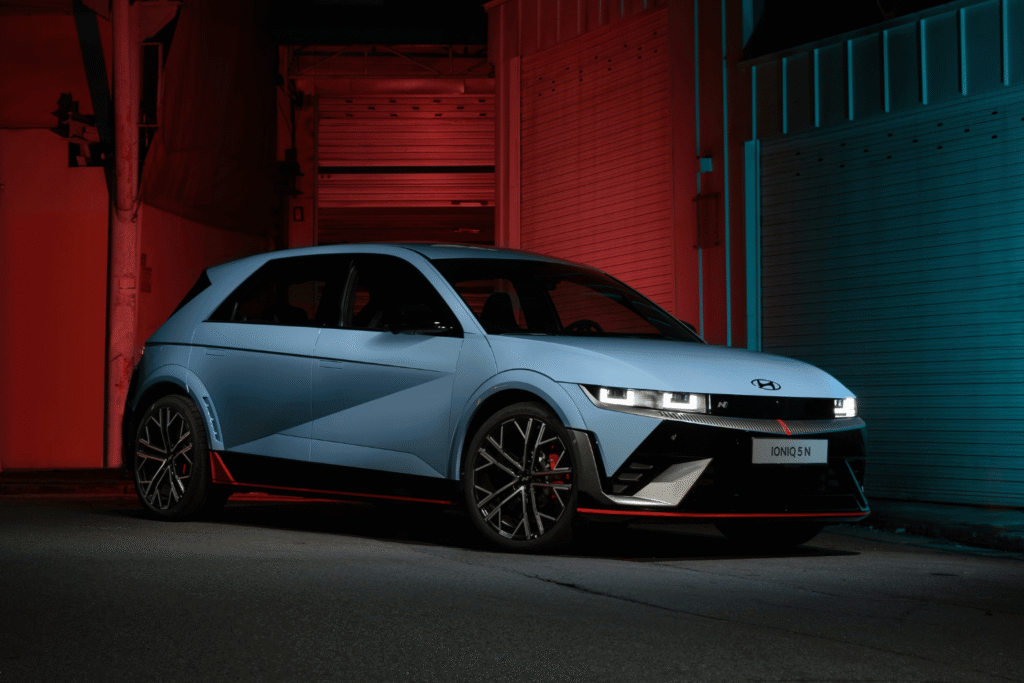
Parts may include Hyundai Genuine Parts, recycled original components, remanufactured parts, or aftermarket components depending on the repair plan, safety considerations, availability, insurance policy, and customer authorization.
Hyundai advises owners to insist on Hyundai Genuine Parts when restoring a collision-damaged vehicle. Its official Hyundai Genuine Parts information explains the manufacturer’s position on design, fit, structural integrity, safety systems, and performance.
We believe owners should understand what is listed on the estimate. In California, replacement crash parts must be identified properly rather than hidden behind vague labels. The California Bureau of Automotive Repair explains these requirements in its Write It Right guidance.
6. Body and Structural Repair
Our technicians complete the authorized body and structural operations. Depending on the damage, this may include:
- Dent repair
- Panel straightening
- Panel replacement
- Structural measuring
- Unibody straightening
- Welding
- Adhesive bonding
- Corrosion-protection restoration
- Bumper repair
- Component fit and alignment
- Glass work
- Wheel repair
We continually check fit, measurements, repair quality, and the relationship between repaired components.
7. Paint Preparation and Refinishing
After the bodywork is complete, the repaired areas move through surface preparation, masking, color verification, refinishing, curing, reassembly, and finish inspection.
Accurate preparation is essential. Even an excellent color formula cannot compensate for uneven bodywork, contamination, poor surface preparation, or incorrect application.
8. Reassembly, Diagnostics, and Calibration
Trim, lighting, moldings, sensors, liners, handles, badges, weather seals, and other components are reinstalled or replaced as required.
Applicable diagnostic, programming, initialization, aiming, alignment, or calibration procedures are then completed or coordinated according to the repair plan.
9. Final Quality-Control Inspection
Before delivery, we review the completed repair. Depending on the work performed, quality control may include:
- Panel fit and gap inspection
- Paint color and finish inspection
- Lamp and accessory checks
- Diagnostic verification
- Road testing when appropriate
- Sensor and warning-light review
- Wheel and steering observations
- Interior and exterior cleanliness
- Confirmation of authorized repair operations
- Final invoice and parts review
We want you to understand what was repaired, not simply receive your keys without an explanation.

Insurance Claim Assistance for Hyundai Repairs
Insurance claims can be confusing because several parties may be involved: the vehicle owner, repair shop, insurer, adjuster, parts suppliers, rental-car provider, towing company, and sometimes additional specialists.
Metro Collision Center works with major insurance companies and helps coordinate the claim-related repair process. We can communicate with the carrier, document damage, submit supplements, discuss required procedures, and help keep the repair moving.
However, the vehicle still belongs to you—not the insurer.
Under California law, an insurance company cannot require you to use a specific repair facility. The California Department of Insurance explains your right to choose a repair shop in its official guide, “So You’ve Had an Accident, What’s Next?”.
That means you can bring your Hyundai to Metro Collision Center even if we were not the first shop mentioned by your insurance company.
Insurance Estimate vs. Complete Repair Plan
An insurer’s first estimate may be written from photographs or an exterior inspection. It may not include damage hidden behind the bumper, inside a door, beneath trim, or near structural components.
After disassembly and further diagnosis, the repair plan may change. Common additions can include:
- Broken brackets or retainers
- Damaged reinforcement components
- Additional labor operations
- Wiring or sensor damage
- Structural measurement
- Corrosion-protection steps
- Scan-related procedures
- Wheel alignment
- Calibration
- Additional paint and materials
- Parts price changes
We document these findings and communicate with the responsible insurer. We also explain significant changes to you.
OEM Parts and Insurance Coverage
A common question is whether insurance must pay for Hyundai Genuine Parts. The answer depends on the policy, vehicle, part, repair requirements, state rules, and claim circumstances.
Some policies include OEM-parts coverage. Others permit alternative parts in certain situations. Safety, fit, function, availability, and manufacturer documentation may also influence the discussion.
Before authorizing repairs, review:
- How each replacement part is identified
- Whether the part is new OEM, aftermarket, recycled, rebuilt, or reconditioned
- Whether your policy contains an OEM-parts endorsement
- Whether a particular component affects structural performance or calibration
- Whether you are responsible for any price difference
- What warranty applies to the part and workmanship
We will help you understand the estimate and raise documented repair concerns with the insurer when appropriate.
Why Hyundai Owners Choose Metro Collision Center
We Have Served Los Angeles Since 2010
Metro Collision Center was founded by Danny Santizo with a mission to make vehicle repair honest, clear, and less stressful. We have since helped more than 1,000 clients with everything from minor cosmetic damage to significant collision repair.
Learn more about Metro Collision Center and the standards that guide our work.
We Are a BAR Licensed Body Shop
At Metro Collision Center, careful workmanship goes hand in hand with professional accountability. We’re registered with the California Bureau of Automotive Repair as an Automotive Repair Dealer (Registration #260595), with a valid license under Metro Collision Center Inc.
Our Team Is I-CAR Gold Class Trained
Modern collision repair changes quickly. New materials, joining methods, vehicle electronics, safety systems, and repair requirements make ongoing education essential.
Metro Collision Center’s I-CAR Gold Class status reflects structured, role-relevant training across estimating, refinishing, structural repair, and non-structural repair. I-CAR’s Gold Class standards include ongoing training and education related to advanced driver-assistance systems.
I-CAR Gold Class and Hyundai Certified or Recognized status are not the same credential. We state our qualifications accurately so Hyundai owners can make an informed decision.
We Look Beyond Cosmetic Damage
A freshly painted bumper is not a complete repair if a bracket is bent, a reinforcement is damaged, a diagnostic issue remains, or a sensor has not been addressed.
We evaluate the collision as a complete event and build the repair around what the Hyundai needs.
We Offer Multiple Related Services in One Repair Plan
Our complete auto body repair services include collision repair, dent removal, paint repair, aluminum repair, bumper repair, frame-related work, glass replacement, wheel refinishing, and electric vehicle repair.
This makes it easier to coordinate repairs that cross more than one specialty.
We Help With the Insurance Process
We work with major insurance carriers and help handle claim communication, estimates, supplements, approvals, and repair documentation. You remain informed while we manage much of the administrative back-and-forth.
We Communicate Clearly
Collision repair can involve changing timelines, hidden damage, parts delays, or additional insurer approvals. We explain what we find and keep you updated instead of leaving you to guess what is happening.
We Are Centrally Located in Los Angeles
Our shop at 5227 W Pico Blvd is convenient for Hyundai owners from Mid-City, Mid-Wilshire, Miracle Mile, Koreatown, Pico-Robertson, Hancock Park, Beverly Hills, West Hollywood, Culver City, and surrounding Los Angeles communities.
What to Do After an Accident in Los Angeles
The minutes following a collision can be disorienting. If you can do so safely:
- Move away from immediate traffic hazards.
- Check for injuries and call emergency services when needed.
- Exchange driver, vehicle, and insurance information.
- Photograph the vehicles, road, signs, traffic signals, and visible damage.
- Collect witness contact information.
- Avoid making statements about fault at the scene.
- Report the accident as required.
- Contact your insurer.
- Choose the body shop you want to repair your Hyundai.
- Avoid driving if the vehicle leaks fluid, has wheel or steering damage, displays serious warnings, or appears unsafe.
For a more detailed local checklist, read our article on what to do after a fender bender in Los Angeles.
If you are uncertain whether the vehicle is safe to drive, call us before attempting to move it. A bumper rubbing against a tire, damaged lamp assembly, exposed wiring, leaking cooling system, or altered steering can turn a manageable repair into a safety problem.
Schedule Your Hyundai Body Repair
Your Hyundai is a connected system of structural parts, exterior panels, electronics, restraints, sensors, coatings, and mechanical components. After an accident, those systems deserve a repair plan that addresses more than surface appearance.
At Metro Collision Center, we combine trained technicians, modern repair equipment, computerized damage analysis, paint-matching technology, insurance assistance, and attentive customer service to help restore your Hyundai.
Whether you need a small dent corrected, a bumper repaired, a panel replaced, collision paintwork completed, structural damage addressed, or an electrified Hyundai evaluated after an accident, we are ready to help.
Metro Collision Center
5227 W Pico Blvd
Los Angeles, CA 90019
Phone: (323) 931-1369
Contact us to request your Hyundai repair estimate or review all of our Los Angeles auto body services.
Frequently Asked Questions About Hyundai Body Repair
What is the best Hyundai body shop Los Angeles drivers can use after an accident?
The best shop for your Hyundai should be able to identify hidden collision damage, research applicable repair information, perform or coordinate structural repairs, provide accurate refinishing, address diagnostic and calibration requirements, and communicate with your insurer.
Metro Collision Center combines I-CAR Gold Class training, computerized damage analysis, Hyundai repair planning, multiple related services, and insurance claim assistance at one Los Angeles location.
Does my Hyundai have to be repaired at a dealership?
No. Many Hyundai dealerships do not operate their own body shop and may refer collision work to an outside facility. An independent collision center can repair a Hyundai when it has appropriate training, equipment, repair information, and access to the required parts and services.
Mechanical warranty work and collision repair are also different categories. A dealership service department may handle maintenance or warranty diagnosis while an auto body shop handles structural, panel, paint, glass, and collision-related work.
Is Metro Collision Center a Hyundai Certified Collision Repair Center?
Metro Collision Center is an I-CAR Gold Class collision repair facility, but we do not represent ourselves as a member of Hyundai’s Certified or Recognized Collision Repair Network unless that separate status is formally established and current.
Hyundai certification and I-CAR Gold Class are different credentials. Our Hyundai body shop page accurately describes the training, repair capabilities, and services we can verify.
Can I choose Metro Collision Center if my insurance recommends another shop?
Yes. California law allows you to select the auto body repair shop that repairs your vehicle. Your insurance company may recommend a shop, but it cannot require you to use that facility.
You can bring your Hyundai to Metro Collision Center, and we can communicate with the insurer regarding the estimate, documented damage, supplements, and repair plan.
Does Metro Collision Center work with all insurance companies?
Metro Collision Center accepts and works with major insurance companies. We help coordinate estimates, claim communication, repair documentation, supplements, and approvals. Coverage remains subject to the terms of your policy, deductible, limits, and the insurer’s claim decision.
Will insurance pay for Hyundai Genuine Parts?
It depends on your insurance policy, the vehicle, the part involved, availability, applicable repair requirements, and the facts of the claim. Some policies include OEM-parts coverage, while others may specify alternative parts.
We recommend reviewing the estimate carefully and asking how every replacement part is classified. If an OEM component is important for fit, safety, electronics, structural performance, or calibration, we can document the repair-related concern for discussion with the insurer.
Will using an independent body shop void my Hyundai warranty?
Using an independent body shop does not automatically cancel an entire vehicle warranty. However, accident damage and failures caused by improper repairs or non-covered parts may not be Hyundai warranty matters.
The safest approach is to use a qualified shop, follow applicable repair procedures, document the work, understand which parts are being installed, and keep the final invoice and calibration records. Warranty coverage for a later concern ultimately depends on the cause of that concern and the applicable warranty terms.
Does Hyundai recommend OEM parts after a collision?
Yes. Hyundai’s published consumer and technical information recommends Hyundai Genuine Parts for collision restoration. Hyundai states that these parts are made to its design specifications and intended to support the vehicle’s appearance, integrity, safety systems, and performance.
We can discuss parts choices, availability, insurance authorization, and any potential customer cost before installation.
Why is my Hyundai repair estimate higher than the visible damage suggests?
The exterior damage may be only part of the repair. A bumper impact can involve reinforcement components, absorbers, brackets, radar, wiring, lamps, air guides, paint, diagnostic scanning, and calibration. Door or quarter-panel damage may involve internal reinforcements, glass mechanisms, adjacent panels, or structural areas.
Labor for safe disassembly, measurement, corrosion protection, refinishing, reassembly, diagnostics, and calibration can also affect the total. A professional estimate should explain those operations rather than reducing the repair to the price of one visible panel.
Does Metro Collision Center offer free estimates and work with insurance?
Some collision damage cannot be seen until damaged exterior components are removed. The shop may then find broken mounts, concealed structural deformation, wiring damage, damaged absorbers, or additional parts that cannot be reused.
The additional repair request is called a supplement. In California, the shop must document additional work and obtain authorization before completing repairs beyond the approved amount.
Does a Hyundai need scanning after a collision?
Hyundai has issued a position statement addressing pre-repair and post-repair system scanning. Whether particular diagnostic operations are required depends on the vehicle, damage, affected systems, and repair procedures.
A scan can identify stored diagnostic trouble codes even when no dashboard warning is visible. A post-repair scan can also help verify whether related faults remain after repairs and reassembly.
Will my Hyundai need an ADAS calibration?
It may. Calibration requirements depend on the model, equipment, impact area, parts removed or replaced, and repair operations performed.
Windshield replacement, bumper removal, radar replacement, camera work, structural repair, suspension changes, wheel alignment, or changes to a sensor mounting location can trigger calibration or aiming requirements. We determine this from the vehicle and applicable repair information rather than assuming every Hyundai has the same systems.
Can you repair a Hyundai IONIQ 5, IONIQ 6, or Kona Electric?
Yes, Metro Collision Center provides electric vehicle body repair for Hyundai EVs, subject to inspection of the specific vehicle and damage.
Electric vehicle repairs require additional high-voltage awareness, battery-area evaluation, lifting precautions, diagnostic planning, and compliance with applicable procedures. We assess those requirements before beginning work.
Should I repair or replace my Hyundai bumper?
A bumper cover may be repairable when damage is limited and the material, shape, mounting points, sensor areas, and finish permit a durable repair.
Replacement may be more appropriate when the cover is torn, severely deformed, previously repaired, damaged at critical attachment points, or affected in an area where repair could interfere with sensor operation. Damage to the absorber, reinforcement, brackets, or electronics is evaluated separately from the visible cover.
Can a small bumper dent affect Hyundai safety sensors?
Yes, depending on the model and location of the impact. A bumper can conceal parking sensors, radar units, brackets, wiring, and energy-absorbing components. Even if the warning system appears to work normally, a bracket or mounting position may have changed.
That is why we recommend inspecting bumper damage instead of assuming it is purely cosmetic.
How long does Hyundai body repair take?
Repair time depends on:
- The type and severity of damage
- Whether the vehicle is safe to drive
- Required disassembly
- Insurance approval
- Parts availability
- Structural operations
- Paint and curing requirements
- Diagnostic procedures
- Calibration
- Final quality-control findings
A small repair may take considerably less time than a multi-panel collision repair. We provide a more meaningful timeline after inspecting the vehicle and identifying parts and procedures. Backordered parts or additional insurer approval can extend the schedule.
Can I drive my Hyundai after a minor accident?
Possibly, but visible damage does not tell the whole story. Do not continue driving if you notice fluid leaks, tire contact, damaged lights, steering problems, unusual wheel position, smoke, high-voltage warnings, airbag warnings, severe body interference, or loose parts.
If the bumper is hanging, a wheel has been struck, a hood cannot latch, or safety warnings have appeared, ask for professional guidance or arrange towing.
Can you match Hyundai pearl and metallic paint?
Yes. Our paint repair process uses digital color information, finish evaluation, controlled preparation, color refinement, and blending when required.
The factory paint code provides a starting point, but age, application variation, sun exposure, metallic orientation, and previous refinishing can affect the final match. We evaluate the actual vehicle rather than relying on the code alone.
What should I check when I pick up my Hyundai?
Before leaving, review the repair and ask questions about anything you do not understand. Check:
- Exterior color and finish
- Panel gaps and alignment
- Doors, hood, trunk, or liftgate operation
- Headlamps, taillamps, and signals
- Parking sensors and camera displays
- Warning lights
- Steering and vehicle behavior
- The final invoice
- Parts descriptions
- Scan or calibration documentation when applicable
- Warranty information for the repair
We review the completed work with you and explain the repair documentation provided at delivery.
Does Metro Collision Center offer Hyundai repair estimates?
Yes. Contact Metro Collision Center at (323) 931-1369 or use our online contact page to discuss your Hyundai and schedule an assessment.
An initial estimate covers the damage that can be identified at that stage. If disassembly later reveals additional collision damage, we document it, communicate with the insurer when applicable, and request authorization before completing added work.