AI Summary
- Modern Nissan collision repair requires specialized methods because the vehicles use high-strength steel, aluminum components, crumple zones, cameras, radar, and other tightly integrated safety systems.
- Hidden damage may include frame fractures, damaged reinforcement bars, stressed wiring, and sensor misalignment, so a complete teardown, diagnostic scan, and computerized frame measurement are often necessary.
- Nissan Safety Shield 360 and ProPILOT Assist components may require static, dynamic, or dual-stage ADAS calibration after repairs involving bumpers, mirrors, windshields, structural parts, or sensor mounting points.
- Nissan LEAF and Ariya repairs require high-voltage battery isolation, EV-specific safety equipment, controlled structural procedures, and protection from excessive heat during refinishing.
- California drivers may choose any licensed collision repair shop, and the repair process typically includes pre-repair scanning, teardown, insurance approval, structural work, refinishing, calibration, and a final diagnostic inspection.
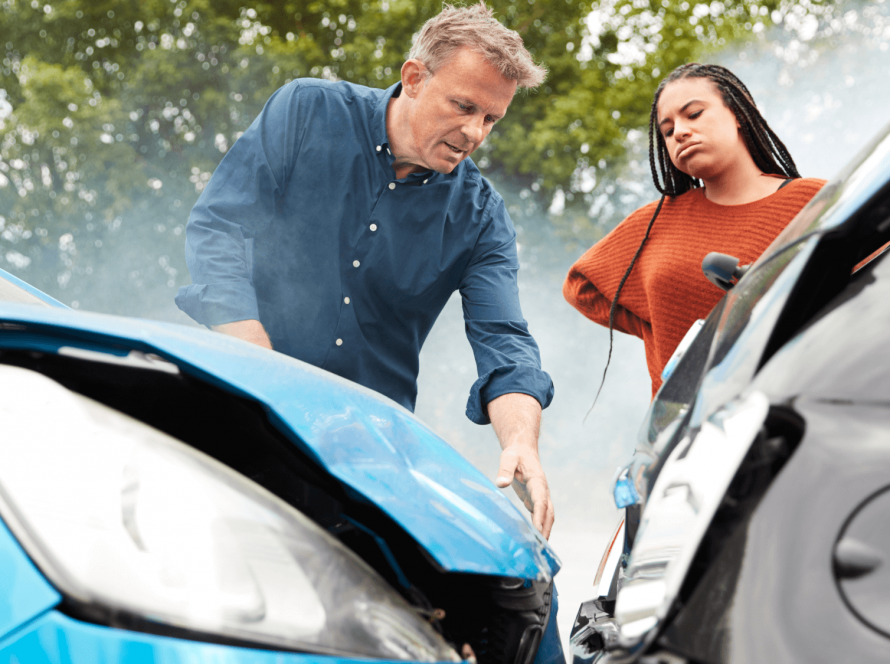
Nobody plans to need a body shop. One minute you’re merging onto the 405, and the next you’re standing on the shoulder staring at a crumpled quarter panel, wondering what happens next. If you drive a Nissan — an Altima, Rogue, Sentra, LEAF, Z, or anything else wearing that logo — what happens next matters a lot more than it used to. Modern Nissans are rolling computers wrapped in engineered steel, and fixing them right requires a very different kind of shop than the one that patched up your dad’s Datsun.
The Evolution of Steel and Tech: Why Modern Nissans Demand a Specialized Nissan Body Shop
Here’s something that surprises a lot of drivers: the parts of your Nissan designed to crumple in a crash are doing exactly that on purpose. Micro-engineered crumple zones, ultra-high-strength low-alloy steel (HSLA), and aluminum structural components are all precision-tuned to absorb specific energy loads during an impact. Once deformed, they cannot simply be pulled back into shape — not without destroying the metallurgical properties that made them safe in the first place.
This is a completely different engineering universe than vehicles built even ten years ago. Traditional mild steel could tolerate heat during frame straightening. Modern Nissan structural components cannot. Applying heat above certain thresholds weakens the molecular grain structure of HSLA steel permanently, even if the panel looks straight afterward. That’s why a certified Nissan body shop uses cold-pulling technology and pulse-MIG welding protocols designed for these materials specifically — not generic techniques applied to whatever comes through the door.
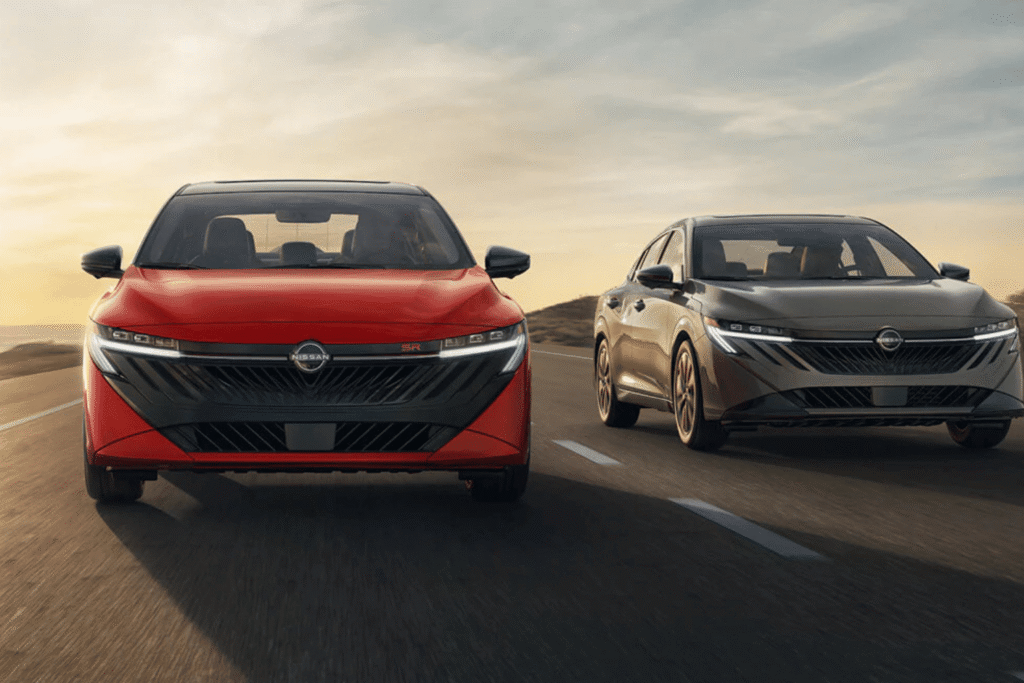
Then there’s the sensor layer. Radar modules sit behind the front bumper cover. Cameras are embedded in the windshield header, door mirrors, grille, and rear fascia. Ultrasonic sonar sensors ring the perimeter. Every one of these components has precise spatial tolerances measured in millimeters. A generic shop that doesn’t understand this ecosystem won’t know to check them. Or calibrate them. Or replace them with anything other than whatever aftermarket part is cheapest.
We do. At Metro Collision Center, our technicians are trained on Nissan-specific repair procedures, work with OEM parts by default, and treat every vehicle as the complex safety system it actually is.
Unmasking the Threat: Hidden Collision Damage You Can't See
The visible damage after a crash — scratched paint, bent metal, broken plastic — is almost never the whole story. What’s underneath is where the real safety risk hides, and it’s why a proper teardown inspection matters so much more than a quick visual estimate.
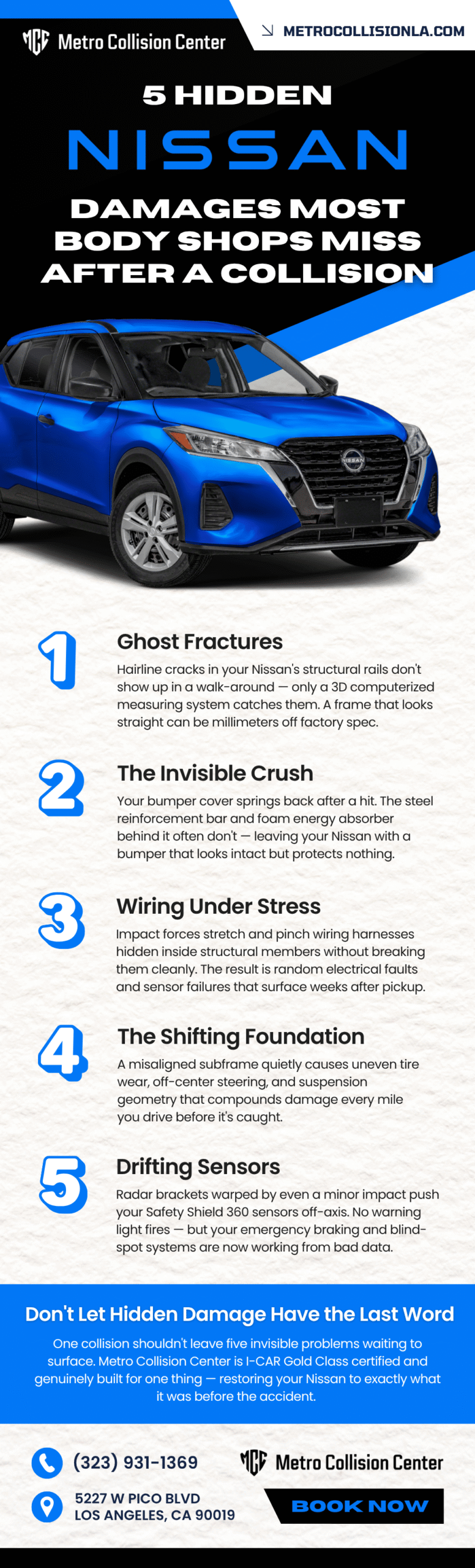
Hairline frame fractures are the classic example. A moderate-speed impact can stress a unibody structural rail to the point of micro-fracture without visibly deforming it. These fractures don’t show up in a walk-around. They show up in a 3D computerized measuring system like Car-O-Liner, which maps your vehicle’s frame geometry down to the millimeter and compares it against factory specs. If those numbers don’t match, the structure isn’t right — even if nothing looks bent.
Wiring harness stress is another one most shops miss entirely. Modern Nissans have wiring harnesses running through structural members, behind bumper reinforcements, and along rocker panels. Impact forces travel through the body and can stretch, pinch, or partially sever these harnesses without breaking them cleanly. The result? Intermittent electrical faults that show up weeks later — a random warning light, a sensor that stops communicating, an ADAS feature that activates at the wrong moment.
Reinforcement bar damage is especially common in rear impacts. The outer bumper cover absorbs a hit and springs back into shape, making the damage look cosmetic. Behind it, the steel reinforcement bar and foam energy absorber are often crushed or bent. Leave those in place and you’ve got a bumper that looks fine but provides essentially no protection in the next impact.
We run a full pre-repair diagnostic scan on every vehicle — documenting all soft fault codes and stored DTCs before we touch a single panel — then follow up with mechanical teardown and computerized frame measurement. What you can’t see is exactly what we’re looking for.
Demystifying the Tech: How Nissan Safety Shield 360 and ADAS Calibration Work After a Crash
Nissan Safety Shield 360 is a suite of six active safety systems standard on most current Nissan models: Automatic Emergency Braking with Pedestrian Detection, Blind Spot Warning, Rear Cross Traffic Alert, Lane Departure Warning, High Beam Assist, and Rear Automatic Braking. The 2026 LEAF adds Intelligent Forward Collision Warning and Intelligent Blind Spot Intervention on top of that. These aren’t convenience features — they’re federally-recognized crash prevention technologies that real-world data shows reduce rear-end collisions by up to 50%.
They also stop working correctly if they’re not properly recalibrated after a repair. Here’s the number that should get your attention: in 2025, 65% of all collision repairs required some form of ADAS calibration, up from around 53% just a year earlier. That figure is projected to hit 75% by 2027. Yet nearly half of all U.S. body shops miss required post-repair calibrations entirely. The average lawsuit or settlement cost when that causes an accident? $200,000 to $1 million or more.
There are two distinct calibration methods, and both matter:
Static calibration happens inside the shop. Your Nissan is positioned on a perfectly level surface in a controlled bay. Technicians use geometric target boards, laser arrays, and radar calibration equipment positioned at manufacturer-specified distances around the vehicle. Diagnostic software connects to the vehicle’s safety computer and walks through a precise calibration sequence for each sensor. The entire environment — lighting, floor levelness, target placement — has to meet OEM spec. It’s not something you can rush or improvise.
Dynamic calibration takes the vehicle on the road. A diagnostic computer stays connected while a technician drives at specific speeds under specific conditions — clear lane markings, optimal weather, certain speed thresholds — so the cameras and radar can learn real-world reference data. Some Nissan systems require both static and dynamic calibration in sequence before they’re considered complete.
As of 2026, even a side-mirror replacement or bumper cover swap on vehicles equipped with ProPILOT Assist triggers mandatory dual-stage calibration. That’s not our policy — that’s Nissan’s position statement. We follow it every time.
How Nissan LEAF and Ariya EV Collision Repair Is Radically Different
Repairing a Nissan LEAF or Ariya after a collision isn’t harder than repairing a gas-powered Nissan — it’s a completely different discipline. One that requires specialized training, dedicated infrastructure, and protocols that most standard body shops simply don’t have.
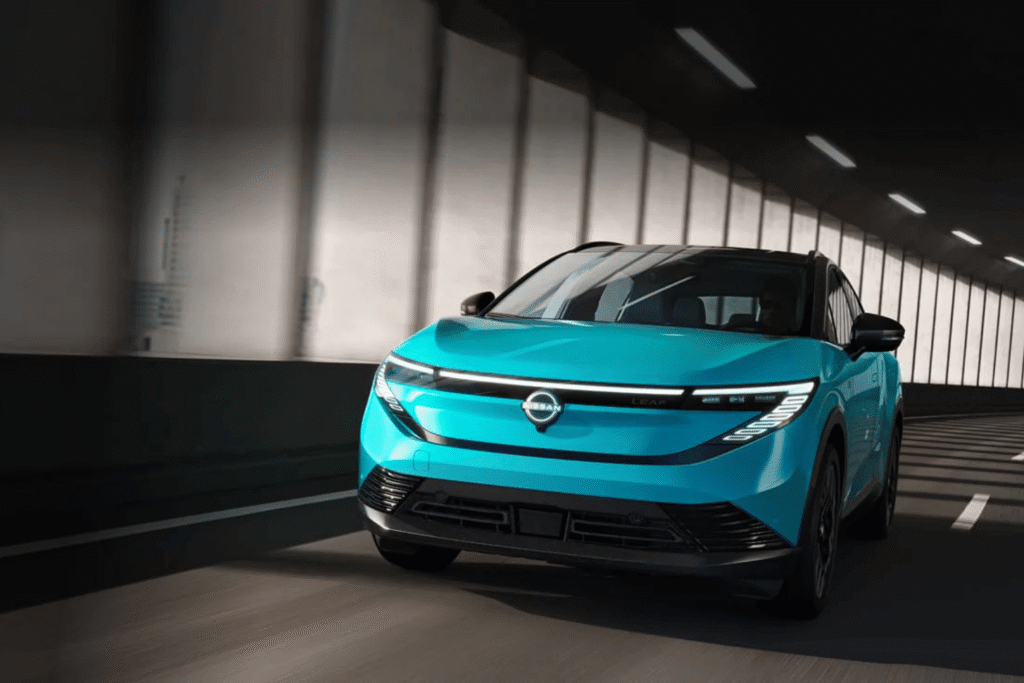
The central issue is the high-voltage battery pack. LEAF and Ariya use lithium-ion battery systems operating at several hundred volts — enough to cause lethal electrical arcing if improperly handled. Before any structural work, frame pulling, or paint baking cycle can begin, a certified EV technician must follow a multi-step high-voltage isolation procedure: shutting down the HV system, verifying zero voltage using calibrated test equipment, and in many cases physically dropping the battery pack to prevent thermal exposure during repair.
That last point is critical. Paint ovens used in the final refinishing stage typically operate at temperatures that can damage lithium-ion cells and, in worst-case scenarios, trigger thermal runaway — a self-sustaining chain reaction that can cause a battery fire. Standard body shops that put an EV in a paint oven without removing the battery are creating a genuine safety hazard.
On the structural side, EV collision repair on LEAF and Ariya requires cold-pulling and cold structural replacement only. No heat application to the rails. The battery enclosure is a structural component in these vehicles, and its integrity directly affects both crash safety and cell isolation. Replace it wrong, and you’ve compromised both.
Our EV-dedicated service bays are equipped with the high-voltage PPE, isolation tools, and certified lift equipment to handle LEAF and Ariya structural repairs from teardown to delivery — correctly, completely, and safely.
Know Your Rights: Your California Right to Choose Any Collision Repair Shop
After an accident, your insurance company will almost certainly suggest — or pressure — you to use one of their “preferred” shops. Here’s what they’re not required to tell you: under California Insurance Code § 758.5, you have the absolute legal right to choose any licensed collision repair facility in California, regardless of what your insurer prefers.
Insurance companies cannot legally require, direct, or coerce you into using a specific shop. They cannot tell you your claim will be denied or processed more slowly if you choose an independent shop. If a representative implies any of that, it may constitute illegal steering under California’s anti-steering law — regulations strengthened in 2016 to explicitly prohibit insurers from making deceptive statements that undermine your right to choose.
In fact, steering complaints to the California Department of Insurance have increased by 17% over the past five years, which tells you exactly how common these pressure tactics remain. Knowing your rights is the first line of defense.
The other thing to understand: preferred “Direct Repair Program” shops have a contractual financial relationship with insurers. Their loyalty and their pricing structure may not be optimized for your vehicle’s proper restoration. They’re optimized for throughput and cost containment — which sometimes means aftermarket parts, skipped calibrations, and repair shortcuts that leave your Nissan’s safety systems compromised.
At Metro Collision Center, we work directly with all major insurers on your behalf. We handle the estimate submission, documentation, supplement requests, and approval process so you’re not left navigating it alone. You choose us. We handle the rest.
Useful resource: California Department of Insurance Consumer Services — 800-927-4357
Timeline Blueprint: What Happens After a Nissan Collision and How Long Repair Takes
One of the most stressful parts of collision repair is not knowing what’s happening to your car. Here’s a realistic, step-by-step breakdown of our repair pipeline at Metro Collision Center so you always know where things stand.
Step 1 — Pre-Repair Diagnostic Scan (Day 1)
Before anything is touched, we run a full OBD-II scan of every vehicle module. This documents all active and stored fault codes, including soft codes that won't show up on a visual inspection. This scan is the baseline that guides the entire repair.
Step 2 — Structural Blueprinting and Teardown (Days 1–2)
We disassemble all panels and components in the damage area to expose what the adjuster couldn't see. We then measure the vehicle's frame geometry using a 3D computerized system against Nissan factory specs. If there's hidden structural damage, this is where we find it — and this is where we file supplement documentation with your insurer.
Step 3 — Insurance Approval (Days 2–5)
After blueprinting, we submit our complete repair plan and parts list to your insurance company. If supplemental damage was found during teardown, we handle that negotiation directly. We don't release your vehicle into repair until the scope is fully approved.
Step 4 — Structural Repair and Frame Alignment (Days 3–7)
Frame straightening and structural replacement happen on our Car-O-Liner measuring system, with continuous measurement throughout the pull to verify factory tolerances are being restored. HSLA components that cannot be safely repaired are replaced — not filled.
Step 5 — Parts Replacement and Panel Work (Days 4–10)
OEM parts are installed and fitted. Sheet metal work uses proper metal-finishing techniques, not excessive body filler. Panel gaps and flush fits are verified against Nissan factory specifications.
Step 6 — Refinishing (Days 8–12)
We use low-VOC waterborne paint systems that meet California's strict South Coast AQMD air quality standards while flawlessly matching Nissan's multi-coat pearl and metallic factory finishes. For EVs, the battery pack is removed before any bake cycle.
Step 7 — ADAS Calibration (Days 12–14)
After mechanical repair and before delivery, every affected safety system undergoes static and/or dynamic calibration per Nissan's published procedures. This is documented and verifiable.
Step 8 — Post-Repair Scan and Quality Delivery (Day 14+)
A final diagnostic scan confirms zero active fault codes. We do a full walkaround with you at delivery.
Repair Timeline and Component Protocol Reference
Component / System | Standard Aftermarket Fix | Metro Collision Certified Protocol | Long-Term Safety & Resale Impact |
Front Bumper Cover | Generic unprimed plastic; no radar wave permeability testing | Genuine Nissan OEM bumper optimized for Safety Shield 360 radar transparency | Flawless emergency braking response; no sensor interference |
ADAS Radar Sensors | Visual alignment or ignored if no dashboard light is active | Computerized static and dynamic calibration with manufacturer-spec targeting arrays | Eliminates rogue braking, incorrect blind-spot warnings, and camera drift |
EV Structural Rail (LEAF/Ariya) | Standard frame pulling with structural heat application | High-voltage battery isolation, zero-heat cold-pulling or full structural replacement | Preserves battery cell isolation; prevents thermal runaway risk |
Quarter Panels | Heavy body filler and generic paint blending | Clean panel replacement or precision metal-finishing with factory color-coded waterborne paint | Restores crumple-zone integrity; prevents clearcoat failure in LA sun |
2026 Collision Repair Trends You Should Know About
The collision repair industry is changing fast. Here’s what’s different heading into 2026 that directly affects anyone owning a modern Nissan.
Calibration is now routine, not optional. In 2025, ADAS calibrations appeared on 34.7% of all repair estimates — up from 12.1% in 2022. That’s a nearly threefold increase in three years. Calibration fees have nearly doubled in five years, averaging $500 per vehicle when present. The industry that once treated post-repair sensor calibration as an add-on now treats it as a standard line item on nearly every structural claim. Source: Collision Repair Magazine — Enlyte 2026 Envision Trends
Dual-stage calibration is mandatory after minor impacts. As of 2026, even a bumper scrape or side-mirror replacement on a Nissan equipped with ProPILOT Assist triggers mandatory dual-stage (static + dynamic) sensor calibration per Nissan’s own position statements. This isn’t industry consensus — it’s an OEM requirement.
Low-VOC waterborne paint systems are standard. Southern California’s South Coast AQMD air quality regulations are the toughest in the nation. Our refinishing process uses waterborne paint technology that meets those mandates while flawlessly matching Nissan’s multi-coat pearl and high-refractive metallic factory finishes. You won’t get a color match that fades or mismatches under LA sunlight.
HSLA welding mandates are stricter than ever. Modern Nissan body structures require pulse-MIG welding and cold-extraction pulling tools to prevent thermal damage to ultra-high-strength steel. This equipment is expensive and requires specific training — which is exactly why most general shops don’t have it, and why it matters that we do.
3 Things to Do Immediately After a Nissan Collision
Demand a pre-repair diagnostic scan. Before any panel comes off, your shop should run a full OBD-II pre-scan documenting all fault codes — including soft codes that won’t light up a dashboard warning. If a shop skips this, they’re flying blind on your Nissan’s sensor network.
Document the structural blueprinting stage. Ask your shop whether they use a 3D computerized measuring system like Car-O-Liner to verify frame alignment against factory dimensions. If the answer is no, find a different Nissan body shop in Los Angeles.
Insist on new hardware for all safety sensor brackets. Radar brackets and sonar mounts warped in an accident should never be plastic-welded or adhesive-repaired. They need to be replaced with factory OEM hardware — even a small angle deviation causes sensor drift that can trigger false braking events on the freeway.
Why Choose Metro Collision Center as Your Nissan Body Shop in Los Angeles
Los Angeles has no shortage of body shops. What it has a shortage of is shops that actually understand what a modern Nissan requires — and are equipped to deliver it without shortcuts, excuses, or surprise bills.
We treat your Nissan like the safety system it is
Not a cosmetic project. Not a parts swap. Every repair we perform is built around restoring your vehicle to the structural integrity, sensor accuracy, and factory safety ratings it left the assembly line with. That means OEM parts by default, ADAS calibration on every affected system, and computerized frame measurement that doesn’t lie.
We know Nissan
The Safety Shield 360 network, ProPILOT Assist calibration requirements, LEAF and Ariya high-voltage protocols, HSLA frame repair procedures — this is our lane. We’re not generalists who occasionally see a Rogue come through. We’re a specialized Nissan body shop in Los Angeles that has built its entire workflow around the complexity these vehicles demand.
We handle insurance so you don't have to
The blueprinting documentation, supplement requests, adjuster negotiations, approval timelines — we manage all of it on your behalf. You won’t be caught in the middle of a dispute between your shop and your insurer, because we’ve done this enough times to navigate it cleanly and quickly.
We protect your rights before you even think to ask
Under California Insurance Code § 758.5, you chose us. That choice is legally protected. We make sure your insurer respects it — and if they push back, we know exactly what to say.
We give you your car back, not just a repaired car
If your Nissan has been in a collision — or you’re still driving it and suspect something isn’t right — don’t wait. Hidden structural damage and uncalibrated safety systems don’t improve with time. They get more expensive and more dangerous.
Our technicians hold I-CAR Gold Class certification — the highest professional recognition in the collision repair industry. I-CAR Gold Class means our team completes ongoing, role-specific training every single year to stay current with the latest repair technologies, materials, and procedures. For a Nissan owner in 2026, that matters more than ever. These cars are genuinely complex, and you want certified hands working on yours.
Here’s what our process looks like from your side:
- 📞 Call or submit a free estimate online — we respond fast, usually same day
- 🔍 Drop it off — we scan, assess, and handle all insurance communication
- 🔧 We repair it right and paint it perfectly— OEM parts, proper procedures, full ADAS calibration
- 🚗 You pick it up — looking exactly like the accident never happened
The most trusted Nissan body shop in Los Angeles is ready when you are.
👉 Request your free estimate at metrocollisionla.com or give us a call. We’ll take it from here.
Metro Collision Center is a premier Nissan body shop in Los Angeles dedicated to precision factory-standard restorations, comprehensive ADAS calibration, and stress-free insurance claim management.
Frequently Asked Questions: Authoritative Answers from a Leading Nissan Body Shop
Do I have to use the auto body repair shop my insurance company recommends?
No. California Insurance Code § 758.5 gives you the absolute legal right to choose any licensed auto body repair facility for your vehicle. An insurance provider cannot force you to use their preferred “direct repair program” shop, cannot threaten to reduce your coverage if you don’t, and cannot continue recommending an alternative once you’ve made your choice. You can bring your vehicle to a specialized Nissan body shop like Metro Collision Center regardless of which insurer you’re working with.
What is the difference between static and dynamic ADAS calibration in accident repair?
Static calibration is performed inside a controlled, level bay using physical geometric target boards, laser arrays, and radar equipment positioned precisely around the vehicle to specific manufacturer distances. Dynamic calibration requires a diagnostic computer connected to the vehicle while a technician drives it on clearly marked roads at specified speeds under optimal weather conditions — so the cameras and radar can calibrate against real-world inputs. Many Nissan models require both in sequence.
Will my Nissan Safety Shield 360 features still work reliably after an accident?
Only if they’re properly recalibrated post-repair. If any component housing a Safety Shield 360 sensor — the front bumper, side mirrors, windshield, or rear fascia — is removed or replaced during bodywork, the underlying radar and camera systems must be recalibrated to ensure automatic emergency braking, blind-spot warnings, and lane departure systems work correctly. A shop that doesn’t perform this step is returning a compromised vehicle.
How long does collision repair typically take at a Nissan body shop in Los Angeles?
Minor cosmetic repairs or bumper replacements generally take 3 to 5 business days. Major structural collision repair involving frame realignment, suspension work, multi-panel painting, and dual-stage ADAS calibration typically runs 2 to 4 weeks, depending on parts availability and insurance approval timelines. We provide timeline updates throughout so you’re never left guessing.
Why is collision repair for a Nissan LEAF or Ariya electric vehicle different?
EV collision repair requires high-voltage isolation before any structural or heat-involved work can begin. A certified technician must properly shut down and verify the high-voltage lithium-ion battery system in a dedicated EV bay before frame pulling or paint baking cycles can occur — otherwise there’s risk of electrical arcing, cell damage, or thermal runaway. The battery enclosure is also a structural component and must be handled accordingly.
What is hidden collision damage, and how do shops find it?
Hidden damage refers to structural fractures, broken reinforcement bars, crushed energy absorbers, or stressed wiring harnesses concealed behind undamaged outer plastic. Specialized shops find these by running a complete mechanical teardown and using 3D computerized frame-measuring systems rather than relying on visual inspection alone. This is why the blueprinting and teardown stage matters so much — and why a proper estimate can only be completed after disassembly.
Does using aftermarket parts void my Nissan factory warranty?
While the Magnuson-Moss Warranty Act offers some consumer protections, your Nissan factory warranty will not cover failures caused by aftermarket parts that don’t meet OEM specifications. Using genuine OEM components at a dedicated Nissan body shop preserves your factory warranty, crash safety ratings, and structural integrity. Aftermarket bumper covers, in particular, can interfere with radar wave transmission and compromise Safety Shield 360 function even when they look identical.
How do I schedule a certified collision estimate at Metro Collision Center?
You can arrange a comprehensive structural estimate, vehicle drop-off, and insurance claim support directly at metrocollisionla.com or by visiting our Los Angeles facility. We handle the insurance conversation — you just bring us your Nissan.