Key Takeaway (TLDR)
- I-CAR Gold Class certification means your Porsche customization is handled by technicians who undergo rigorous annual training on the latest automotive technologies and repair techniques
- OEM parts maintain your vehicle’s integrity and warranty coverage, while aftermarket modifications can void specific system warranties under the Magnuson-Moss Act if they cause the failure
- Paint Protection Film (PPF) lasts up to 10 years and provides superior protection against rock chips and scratches, while ceramic coating offers 2-5 years of hydrophobic protection and easier maintenance
- Professional vinyl wraps cost $3,500-$7,000 and are fully reversible, protecting your original paint while allowing color changes without permanent modifications
- Porsche 911 models retain 83% of their value after five years according to 2025 iSeeCars data, making proper customization and maintenance crucial for preserving your investment
What is Porsche Customization and Why It Matters
Look, I’ve been in the automotive customization game for years, and there’s something special about watching a Porsche owner’s face light up when they see their vision come to life. Just last month, we completed a jaw-dropping project here at Metro Collision Center—a Guards Red 911 Turbo S that the owner wanted transformed with a custom Paint-to-Sample color match, a TechArt body kit, and full Paint Protection Film coverage. The level of precision required for that job? It reminded me exactly why Porsche customization isn’t something you trust to just anyone.
Porsche customization encompasses everything from aesthetic upgrades like custom paint and vinyl wraps to performance enhancements such as body kits, exhaust systems, and wheel upgrades. Here in Los Angeles, where we service everyone from Malibu to Pasadena, we’ve seen the trend explode—and for good reason. Your Porsche represents a significant investment, and personalizing it should enhance both its performance and value, not diminish it.
At Metro Collision Center, we’re I-CAR Gold Class certified, which means our technicians receive continuous training on the latest repair techniques and vehicle technologies. According to I-CAR’s Professional Development Program, less than 15% of collision repair shops in the United States achieve this certification. This rigorous standard ensures that when we work on your Porsche, we’re using manufacturer-approved procedures and genuine OEM parts.
Fun Fact About Porsche's Paint to Sample Program
Did you know that Porsche’s exclusive Paint to Sample program creates custom colors from scratch using a process similar to perfume creation? Their colorists mix microscopic pigment particles by hand to match any color you can imagine—from a rare 1960s factory shade to the exact hue of your favorite sunset. The program has grown so popular that Porsche now handles 1,000-1,500 custom paint orders annually, with that number expected to triple soon as social media drives demand for unique, Instagram-worthy builds.
“Metro Collision Center transformed my 992 Carrera with a flawless custom wrap and ceramic coating. Their attention to detail and I-CAR certification gave me complete confidence. The finish looks better than factory!”
Jeremy O., Beverly Hills
What Are The Best Exterior Upgrades for My Porsche?
Here’s where things get fun. Porsche customization offers endless possibilities, but some upgrades deliver more impact than others. Let me break down the top five must-have exterior modifications that we recommend here in Los Angeles:
The Top 5 Must-Have Exterior Upgrades for Porsche Owners in LA
Paint Protection Film (PPF) – The Ultimate Shield
If you're driving LA's notorious 405 or cruising PCH, your Porsche's paint faces constant assault from road debris, gravel, and UV exposure. Full-body PPF, especially premium options like XPEL ULTIMATE PLUS, offers self-healing properties that make minor scratches disappear with heat exposure. According to a 2024 study published in the Global Paint Protection Film Market Report, the PPF market is expected to reach $450 million by 2025, reflecting growing consumer awareness of its protective benefits.
Ceramic Coating – Easy Maintenance Meets Protection
Ceramic coating creates a hydrophobic barrier that repels water, dirt, and environmental contaminants. While it doesn't provide the physical protection of PPF against rock chips, it makes washing significantly easier and enhances your Porsche's gloss. The combination of PPF on high-impact areas (hood, bumper, mirrors) with ceramic coating on the rest of the vehicle offers comprehensive protection.
Premium Body Kits (TechArt, Vorsteiner, Mansory)
Engineered body kits from manufacturers like TechArt and Vorsteiner don't just look aggressive—they improve aerodynamics. Carbon fiber components reduce weight while adding that race-inspired aesthetic. We see a lot of 911 and Cayenne owners opting for widebody conversions that completely transform the vehicle's stance.
Custom Wheels and Brake Caliper Painting
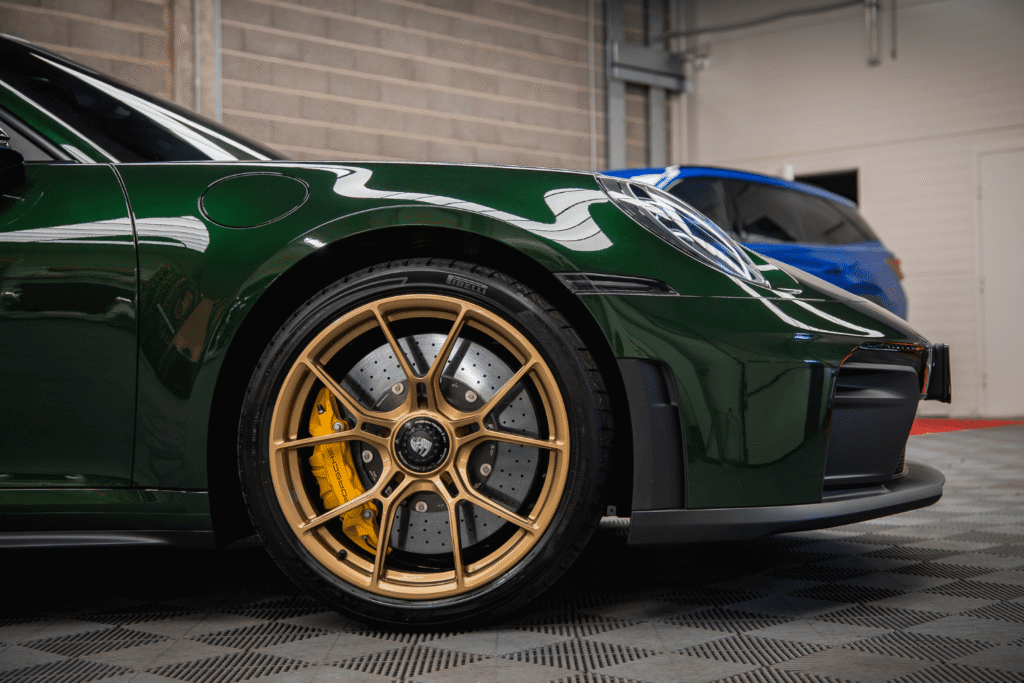
Swapping to forged wheels reduces unsprung weight and improves handling, while painted brake calipers (often in Guards Red or Miami Blue) add visual pop. Proper wheel fitment is critical—we always verify clearances and use proper wheel spacers when necessary to avoid rubbing or suspension interference.
Vinyl Wraps for Color Changes
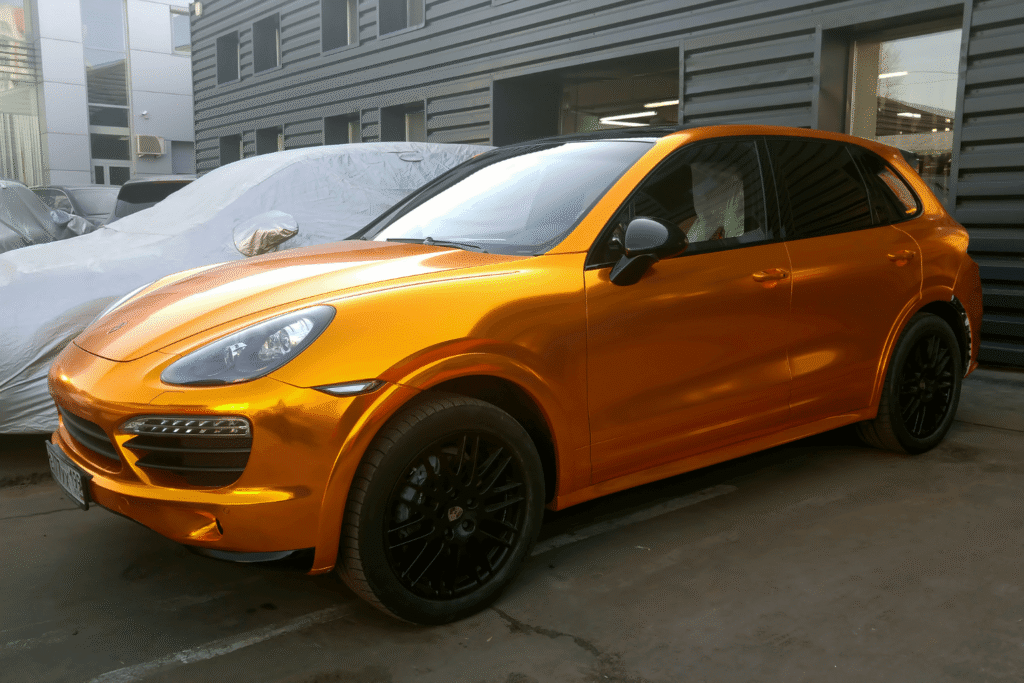
Want to experiment with matte black, satin finish, or even color-shift wraps without committing permanently? Vinyl wraps protect your factory paint while allowing complete color transformation. With over 200 color and finish options available, including chrome, matte, metallic, and even camouflage patterns, the possibilities are virtually limitless.
“I brought my Macan in for a full TechArt body kit installation, and the team at Metro Collision Center nailed every detail. The fitment was perfect, and they made sure all my parking sensors still worked flawlessly.”
Jennifer K., Santa Monica
These upgrades work best when installed by certified professionals who understand proper panel alignment, OEM specifications, and vehicle electronics integration. We’ve seen too many botched DIY jobs where aftermarket body kits caused clearance issues or improperly installed wraps created bubbling and peeling.
Does Customization Affect My Porsche's Warranty?
This is hands-down the most common question we get, and the answer is more nuanced than a simple yes or no. Under the Magnuson-Moss Warranty Act, Porsche (or any manufacturer) cannot void your entire warranty simply because you’ve added aftermarket parts. However—and this is crucial—they can deny warranty coverage for specific systems if they can prove your modification directly caused or contributed to the failure.
Here’s the reality: If you install an aftermarket exhaust and your radio fails, Porsche can’t deny that warranty claim—there’s no reasonable connection. But if you install that same exhaust and your catalytic converter fails, you might be in trouble. Engine tuning, ECU flashing, and forced induction modifications are particularly risky territory.
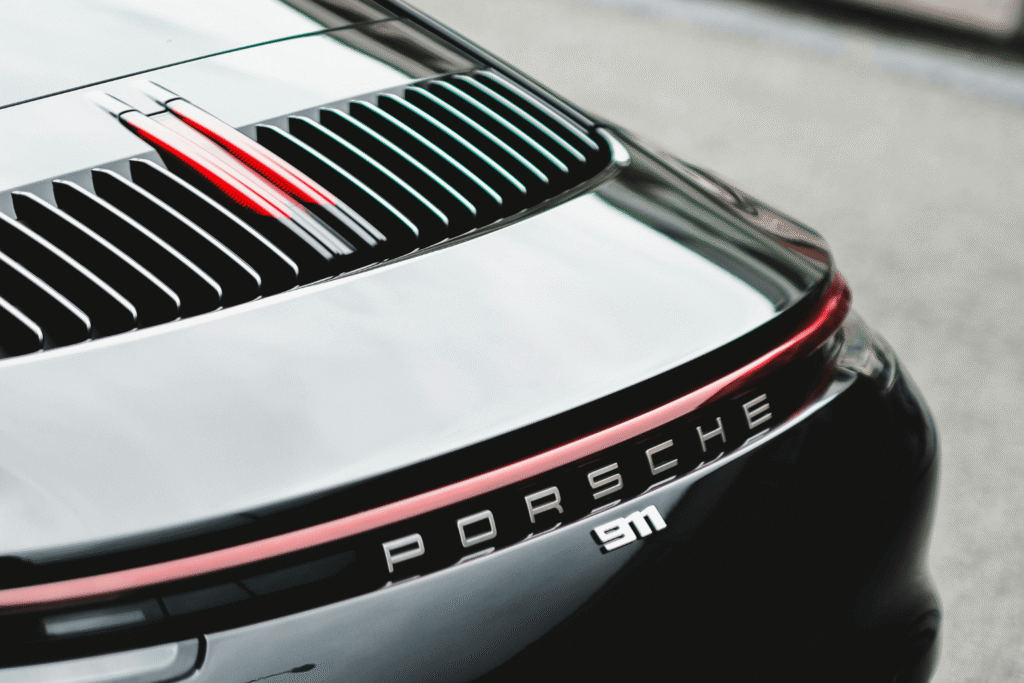
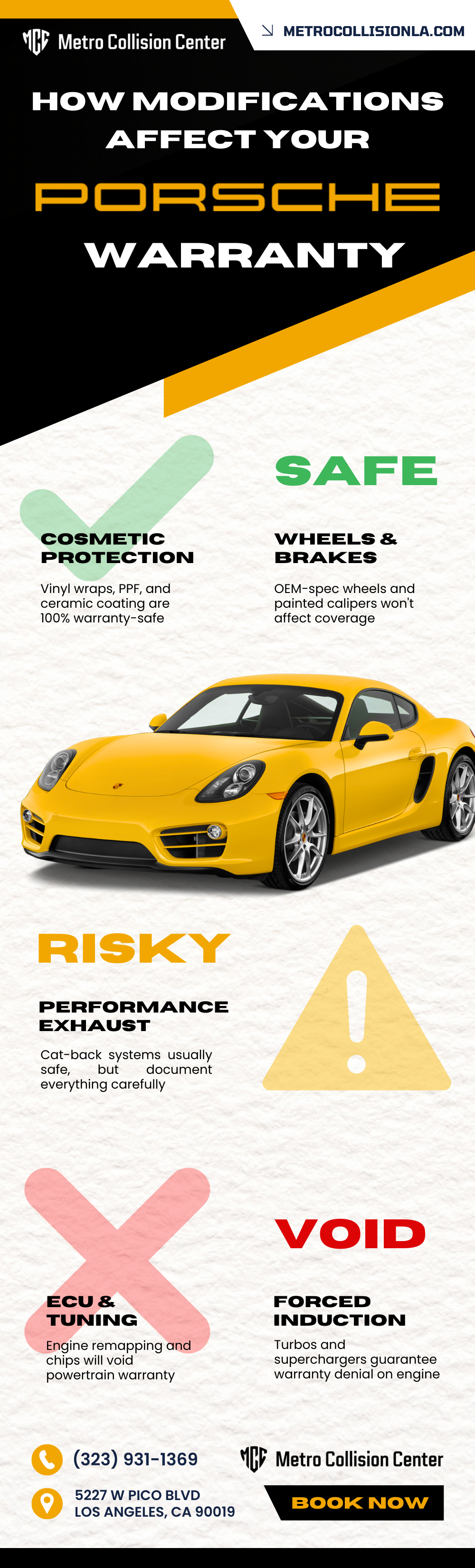
What's Safe for Your Warranty?
- Cosmetic modifications like vinyl wraps, window tinting, and PPF
- Wheel and tire upgrades (as long as they're within manufacturer specifications)
- Cat-back exhaust systems (modifications from the catalytic converter back)
- Painted brake calipers and OEM-equivalent brake upgrades
- Interior upgrades that don't splice into factory wiring
What Could Create Warranty Issues?
- ECU tuning or engine remapping
- Turbocharger or supercharger installations
- Headers or pre-cat exhaust modifications
- Suspension modifications that alter geometry beyond manufacturer specs
- Electrical modifications that splice into factory wiring harnesses
The key is maintaining a good relationship with your Porsche dealership and being transparent about modifications. Some dealers are more modification-friendly than others, and having work performed by certified technicians using quality components helps your case if issues arise.
Pro tip: Keep all receipts, installation documentation, and have a clear paper trail showing professional installation. If something goes wrong, this documentation can be invaluable.
Vinyl Wrap vs. Custom Paint: Which is Right for You?
I get asked this constantly, and after watching market trends shift dramatically over the past few years, here’s my honest take: for most Porsche owners in LA, vinyl wrapping makes more sense than custom paint—but there are important exceptions.
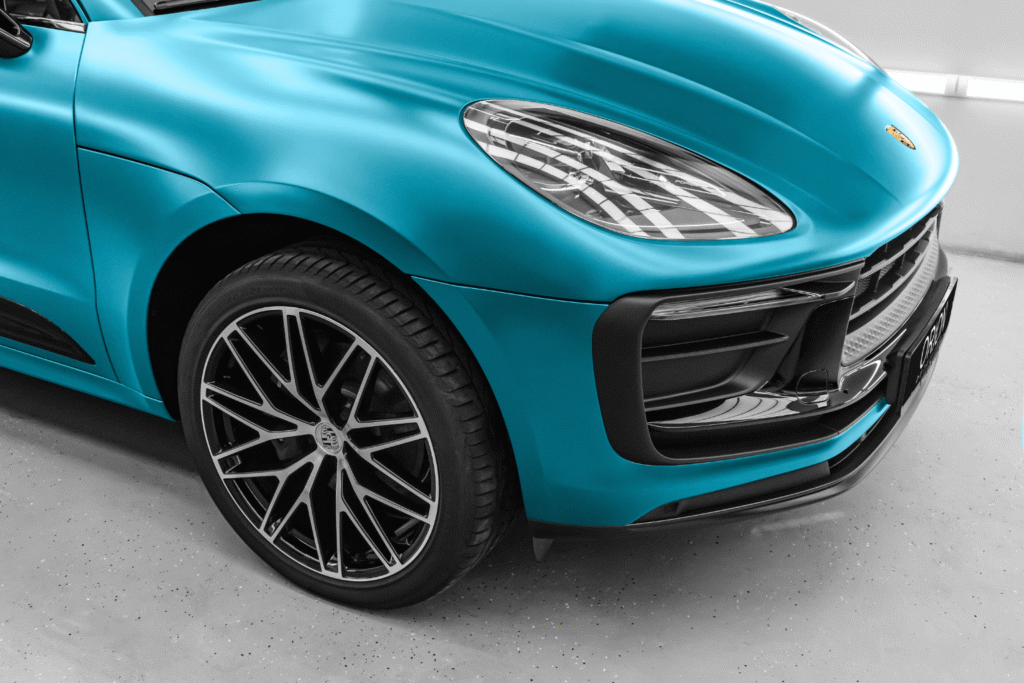
The Vinyl Wrap Advantage
Cost-Effective: Professional vinyl wraps range from $3,500 to $7,000 depending on your Porsche model, finish choice, and shop quality. Full-car wraps for 911 models typically run $5,000-$7,500 for quality 3M or Avery Dennison materials with expert installation.
Fully Reversible: This is huge. Want to try matte frozen blue for a year, then switch to gloss black? No problem. When you sell the vehicle, peel off the wrap to reveal pristine factory paint underneath—assuming the wrap was properly maintained.
Faster Installation: Most professional vinyl wraps take 3-7 days to complete, versus several weeks for custom paint that requires stripping, prep work, multiple coats, and curing time.
Paint Protection: Even color-change wraps provide a thin protective layer against minor scratches, UV damage, and environmental contaminants. It’s not as robust as dedicated PPF, but it’s better than bare paint.
The Custom Paint Case
Longevity: Quality automotive paint, when properly applied and maintained, lasts the lifetime of the vehicle. According to automotive paint technology research, modern clear coat systems with proper UV protection can maintain their gloss for 20+ years.
Factory Finish: Nothing truly replicates the depth and finish of factory paint, especially Porsche’s exclusive colors. If you’re doing a complete color change and planning to keep the car long-term, custom paint might make sense.
Higher Perceived Value: For rare or limited-edition Porsches, maintaining factory paint (or using Porsche-approved Paint to Sample colors) can positively impact resale value among collectors.
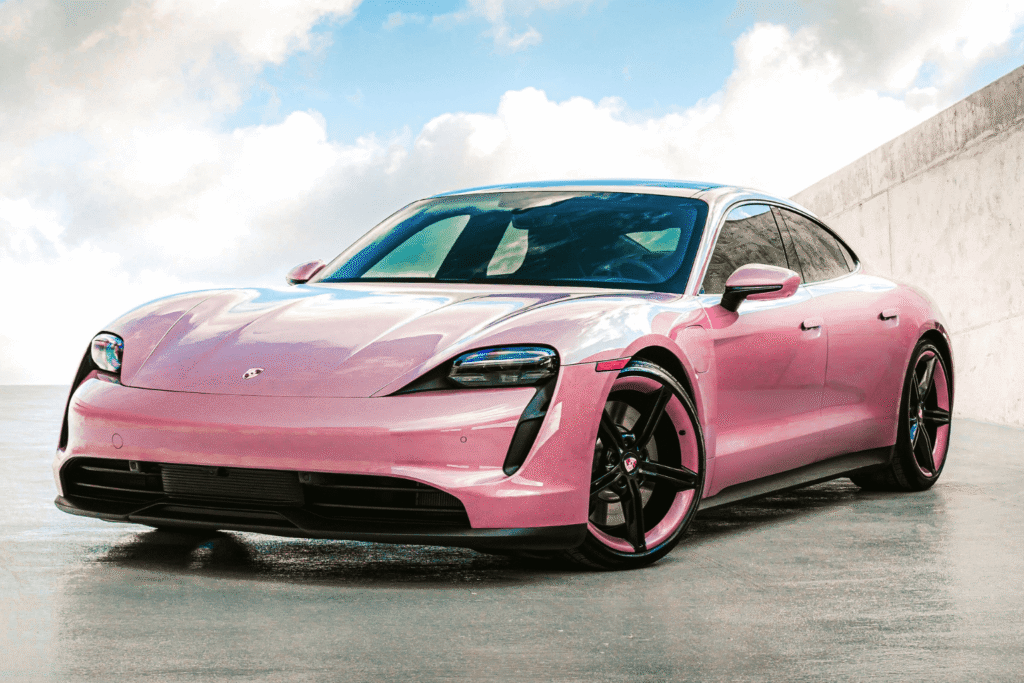
The Vinyl Wrap Reality Check
Here’s what vinyl wrap sellers won’t always tell you: wraps require maintenance. They typically last 5-7 years maximum, even with garage storage and regular care. UV exposure, especially in Southern California’s intense sun, causes fading. Cheaper wraps can fail in as little as 2-3 years.
We’ve removed plenty of wraps that were left on too long—the adhesive breakdown can make removal a nightmare. If you’re going the wrap route, plan on replacing it every 4-5 years for optimal appearance.
Our Recommendation
For Porsche customization in Los Angeles, we typically recommend vinyl wraps for:
- Color experimentation and trendy finishes
- Vehicles you plan to sell within 5 years
- Budget-conscious owners wanting dramatic transformation
- Those who value reversibility and future flexibility
Custom paint makes sense for:
- Long-term ownership (10+ years)
- Matching rare or factory-exclusive colors
- Show cars and collectible models
- When originality and authenticity matter
“I was torn between paint and wrap for my GT3. Metro Collision walked me through both options honestly, and we went with a Xpel Stealth PPF wrap. Two years later, it still looks incredible, and I love knowing I can go back to original if I want.”
David R., Manhattan Beach
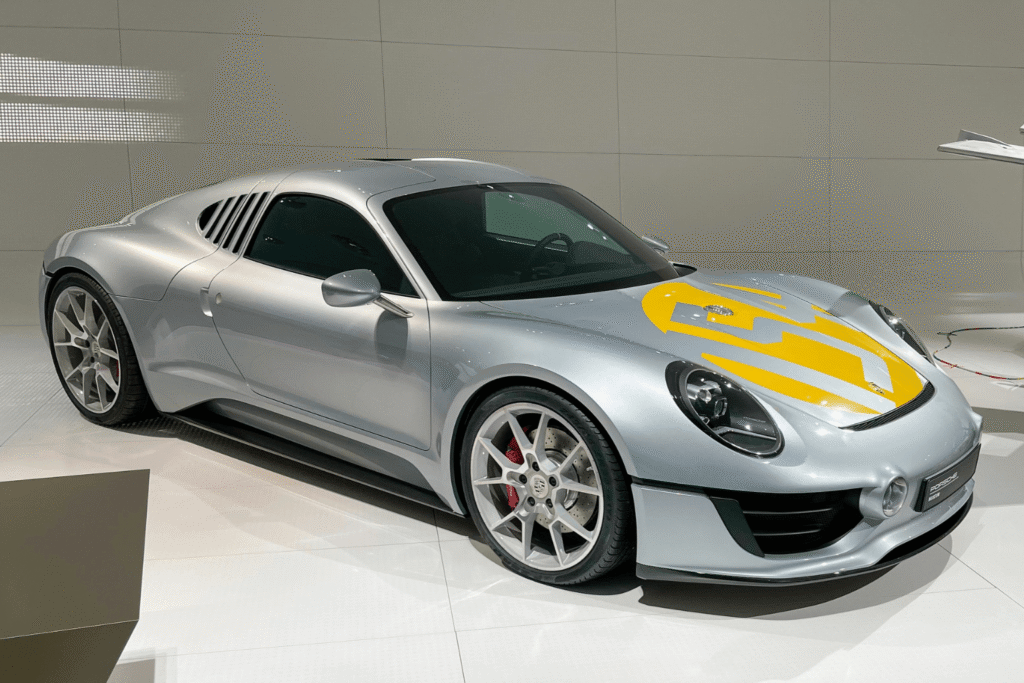
Paint Protection Film (PPF) and Ceramic Coating Explained
Let me clear up the confusion once and for all, because these two products serve completely different purposes—though they work beautifully together.
Paint Protection Film (PPF): The Physical Shield
PPF is a transparent, thermoplastic urethane film—basically a thick, durable, nearly invisible shield that absorbs impacts. Think of it as armor for your Porsche’s paint. Modern PPF technology includes self-healing properties where minor scratches and swirl marks disappear when exposed to heat (even just warm California sunshine).
What PPF Protects Against:
- Rock chips and road debris
- Scratches and swirl marks
- Minor impacts and abrasions
- Bird droppings and bug splatter
- UV damage and oxidation
- Tree sap and acid rain
According to 2025 automotive protection research, quality PPF installations can last up to 10 years with proper maintenance, with premium brands like XPEL and 3M offering comprehensive warranties. Installation costs for full-vehicle PPF coverage range from $4,000 to $8,000 depending on vehicle size and film quality.
Key PPF Features:
- Self-Healing Technology: Top coats reform when heated, erasing minor scratches
- Optical Clarity: High-quality films are virtually invisible when properly installed
- Stain Resistance: Prevents etching from environmental contaminants
- UV Blocking: Protects paint from fading and oxidation
Ceramic Coating: The Chemical Barrier
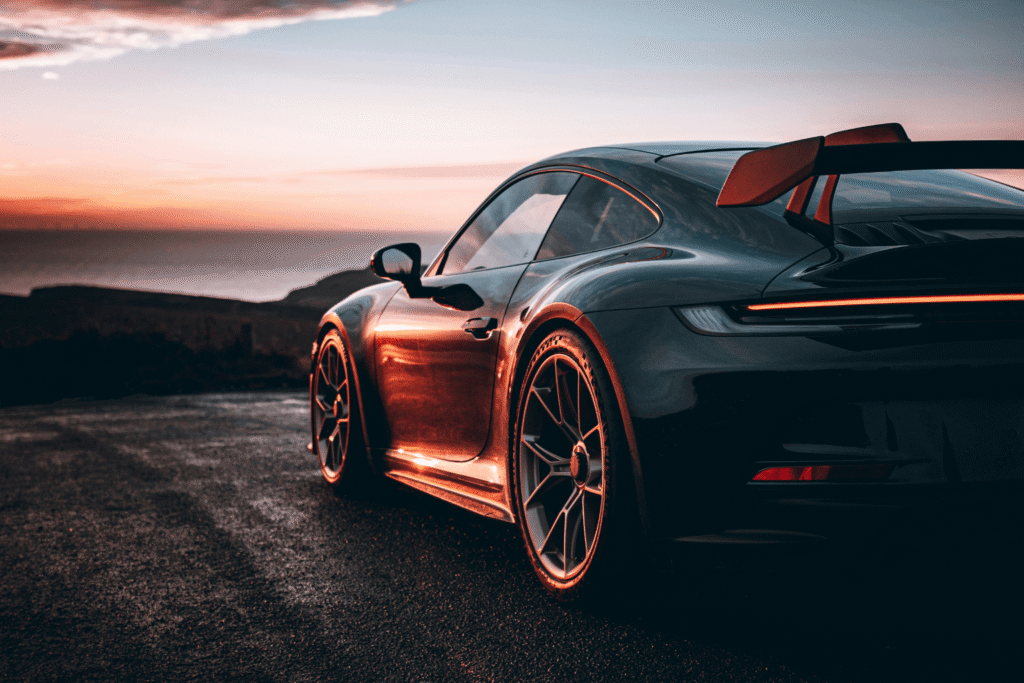
Ceramic coating is a liquid polymer that chemically bonds with your vehicle’s paint, creating a permanent or semi-permanent protective layer. According to Ceramic Pro’s technology specifications, their nanotechnology formulas create hydrophobic surfaces with 9H hardness ratings.
What Ceramic Coating Provides:
- Extreme hydrophobic properties (water beads and rolls off)
- Enhanced gloss and depth of color
- Chemical resistance against bird droppings, bug splatter, and acid rain
- Easier washing and maintenance
- Minor scratch resistance
- UV protection
Ceramic coating typically lasts 2-5 years depending on quality and maintenance, with professional applications costing $800-$2,500 for full-vehicle coverage. Products like Ceramic Pro ION represent current 2024-2025 technology advances with improved bonding and durability.
The Perfect Combination
Here’s our recommended approach for Porsche customization in Los Angeles:
- High-Impact Areas: Apply premium PPF to the front bumper, hood, fenders, side mirrors, rocker panels, and behind door handles
- Entire Vehicle: Add ceramic coating over the PPF and remaining painted surfaces
- Wheels: Ceramic coating on wheels makes brake dust removal incredibly easy
- Glass: Hydrophobic treatment on windshield and windows
This combination provides physical protection where you need it most, plus the hydrophobic and gloss-enhancing benefits of ceramic coating everywhere. Total investment typically runs $5,000-$10,000 for a complete Porsche, but it’s worth every penny for long-term paint preservation.
Myth-Busting Section: Can you apply PPF after ceramic coating? Yes, but it requires careful surface preparation. The ceramic coating creates a slick surface that can interfere with PPF adhesion. Professional installers use specific prep techniques and chemical decontaminants to ensure proper bonding. Ideally, apply PPF first, then ceramic coating over it for maximum protection.
OEM Parts vs. Aftermarket: What You Need to Know
This debate gets heated, but after years of Porsche customization work, I’ve developed clear guidelines about when to use OEM versus aftermarket components.
What are OEM Parts?
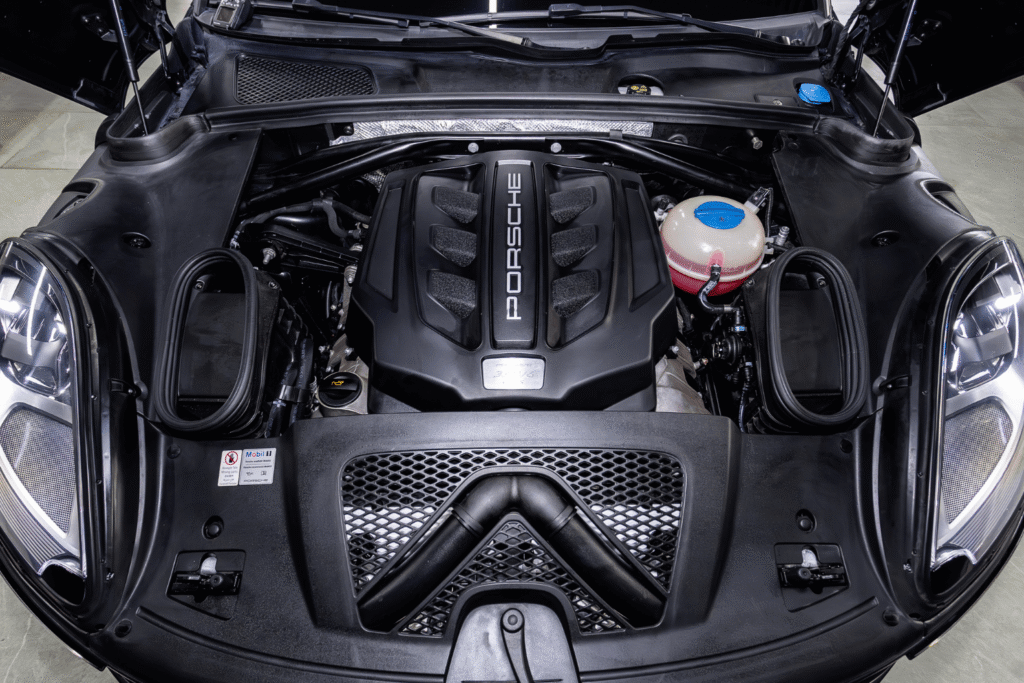
OEM stands for Original Equipment Manufacturer—these are genuine Porsche parts produced by the same suppliers who make components for factory vehicles. When we source OEM parts at Metro Collision Center, they come with Porsche’s backing and are guaranteed to meet exact factory specifications.
What are Aftermarket Parts?
Aftermarket parts are manufactured by third-party companies after the vehicle’s original production. Quality varies dramatically—from superior performance upgrades (like TechArt body kits) to cheap knockoffs that barely fit.
When OEM is Non-Negotiable
For certain Porsche customization projects, we insist on OEM parts:
Structural Components: Any part related to crash safety or structural integrity must be OEM. This includes frame rails, crumple zones, and safety-critical suspension components. I-CAR Gold Class standards require documented OEM procedures for structural repairs.
Electronic Systems: Modules, sensors, and electronic control units should be OEM to maintain proper vehicle communication and avoid check engine lights or system failures.
Engine Internal Components: Pistons, connecting rods, and other internal engine parts warrant OEM quality for reliability and warranty considerations.
When Aftermarket Makes Sense
Premium aftermarket components often exceed OEM specifications:
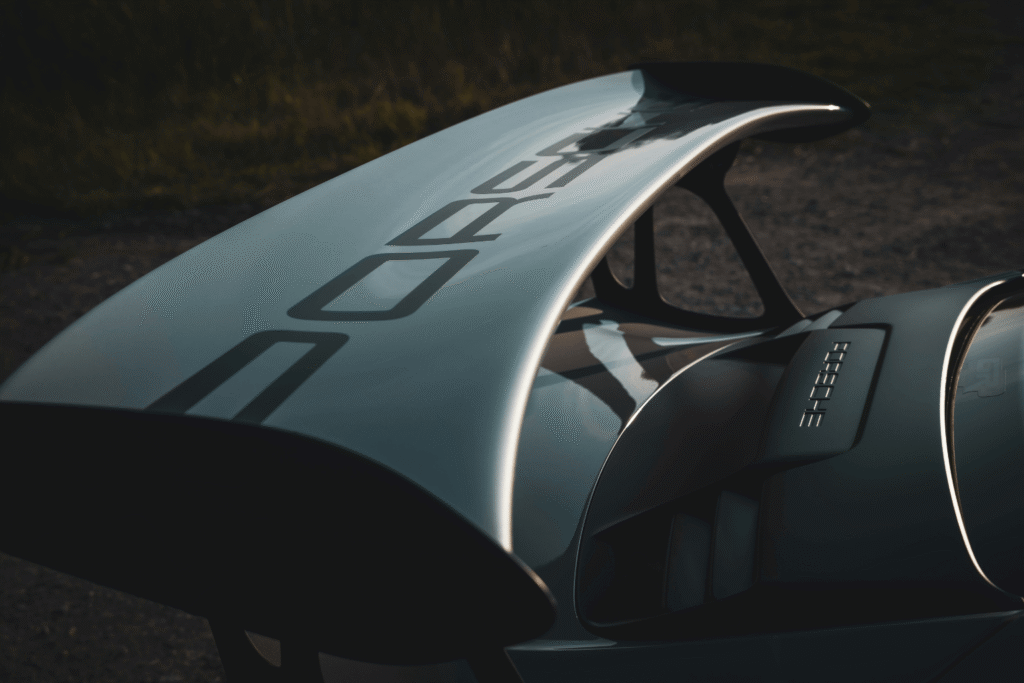
Performance Exhausts: Brands like Akrapovic and Soul Performance offer significant weight savings and improved sound over factory exhaust systems.
Suspension Components: Companies like KW, Öhlins, and Bilstein produce world-class suspension upgrades specifically engineered for Porsche chassis dynamics.
Brake Systems: Brembo, StopTech, and AP Racing manufacture competition-grade brake systems that outperform factory setups.
Body Kits: TechArt, Vorsteiner, and Mansory create aerodynamically-tested body components with superior fit and finish.
The VIN Verification Process
Legitimate repair shops perform VIN verification to ensure proper parts ordering. Your Porsche’s VIN contains critical information about factory options, paint codes, and trim specifications. This prevents ordering incorrect components and ensures proper fitment.
Key Entity Explanation – Clear Coat: The transparent layer applied over base paint that provides gloss, UV protection, and scratch resistance. Porsche’s factory clear coat is among the best in the industry, which is why protecting it with PPF or ceramic coating is so valuable.
How Customization Impacts Resale Value
Let’s talk money. According to Kelley Blue Book’s 2024 Vehicle Depreciation Report, vehicles with professional paint protection can retain up to 10-15% more value at resale compared to unprotected vehicles. But customization’s impact on value depends entirely on what modifications you make and how you make them.
Modifications That Increase Value
Paint Protection (PPF): Documented PPF coverage with remaining warranty transfers to new owners and proves the vehicle was cared for. This is especially valuable for high-end models.
Factory Options: Porsche-approved customization through their Exclusive Manufaktur program or Tequipment accessories maintains originality while adding desirability.
Documented Maintenance: Complete service records from authorized Porsche centers significantly boost resale value, often adding thousands to the final sale price.
Quality Wheels: Premium forged wheels from brands like HRE, BBS, or factory Porsche options typically return 50-70% of their original investment at resale.
Modifications That Decrease Value
Permanent Color Changes: Repainting a rare factory color to something common usually hurts value. According to 2025 Porsche market analysis, the Porsche 911 coupe retains 83% of its value after five years—but only if it remains in desirable, original condition.
Extreme Modifications: Widebody kits, aggressive stance setups, and track-focused modifications alienate mainstream buyers and reduce the potential buyer pool.
Engine Modifications: ECU tuning, forced induction, and internal engine work raise red flags about reliability and void warranties, significantly impacting resale.
Cheap Aftermarket Parts: Low-quality body kits, replica wheels, and bargain-bin modifications scream “neglect” to knowledgeable buyers.
The Los Angeles Market Reality
Here in LA, we see unique trends that don’t apply everywhere. Matte finishes, bold colors, and aggressive body kits are more accepted here than in, say, the Midwest. The key is understanding your target buyer when you eventually sell.
For Porsche 911 and GT models, collectors value originality. For Cayenne and Macan SUVs, tasteful upgrades like wheel packages and paint protection actually help resale. For 718 Cayman and Boxster models, performance modifications from reputable brands can add value if documented properly.
Pro Tip: If you’re planning modifications, keep all original parts. Being able to return a vehicle to stock configuration expands your buyer pool dramatically and often results in higher offers.
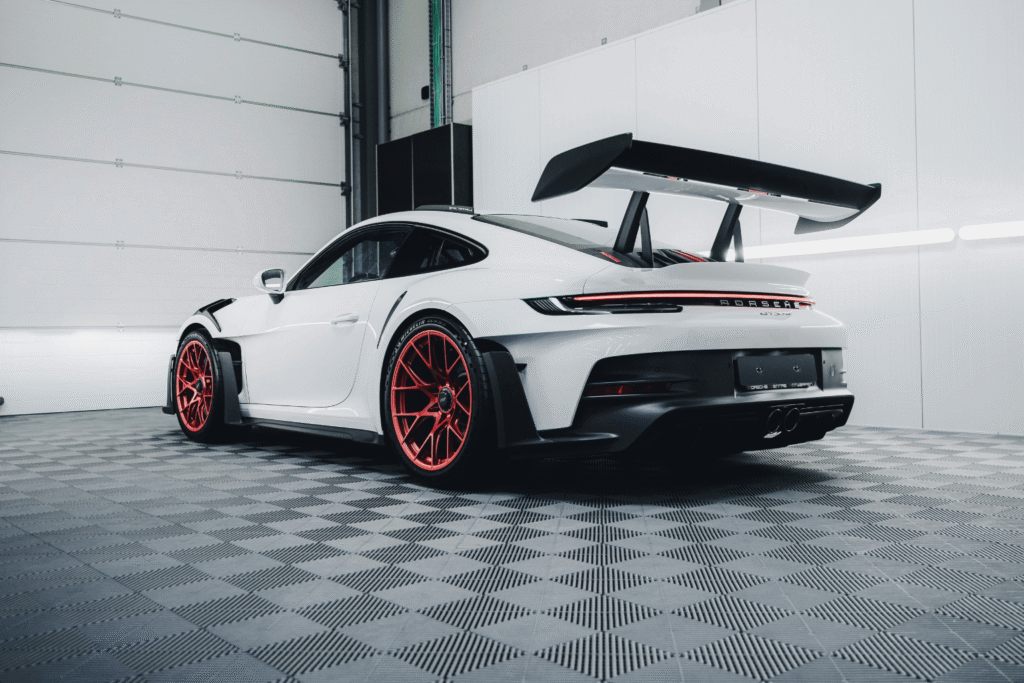
Why Choose Metro Collision Center for Porsche Customization
Here in Los Angeles, you’ve got options—lots of them. But not all shops understand Porsche customization at the level required to preserve your vehicle’s integrity and value. At Metro Collision Center, our I-CAR Gold Class certification isn’t just a plaque on the wall; it represents our commitment to continuous education and precision workmanship.
We specialize in high-end automotive repair and luxury car customization such as Porsche and Lamborghini customizations, using only OEM parts and manufacturer-approved procedures. Whether you’re interested in a complete color change, TechArt body kit installation, or comprehensive Paint Protection Film coverage, our team has the expertise and equipment to execute flawlessly.
From our shop in the heart of LA, we’ve built relationships with Porsche owners throughout Beverly Hills, Santa Monica, Pasadena, and beyond. We understand that your Porsche represents more than transportation—it’s a passion, an investment, and a statement. That’s why we treat every project with the care and precision it deserves.
Contact Metro Collision Center Today
Phone: (323) 931-1369
Location: 5227 W Pico Blvd, Los Angeles, CA 90019
Website: metrocollisionla.com
Schedule your private consultation and discover how we’ll transform your Porsche into a personalized masterpiece that commands attention and delivers uncompromising performance.
Frequently Asked Questions About Porsche Customization
How long does a full vinyl wrap take?
Professional vinyl wrap installation typically takes 3-7 days depending on vehicle size and complexity. We dismantle doors, mirrors, and trim pieces to ensure complete coverage and clean edges, which extends the timeline but delivers superior results.
Do you handle insurance claims for custom work?
Yes, we work directly with insurance companies on custom Porsche work, including collision repairs on vehicles with aftermarket modifications. Our I-CAR Gold Class certification and documented processes help insurance adjusters understand proper repair procedures.
Will ceramic coating prevent rock chips?
No, ceramic coating provides chemical protection and makes washing easier, but it won’t prevent rock chips. For physical protection, you need Paint Protection Film (PPF). We recommend combining both for comprehensive protection.
How much does Paint Protection Film cost?
Full-vehicle PPF installation for a Porsche ranges from $4,000-$8,000 depending on the model and film quality. Partial coverage (front bumper, hood, fenders, mirrors) runs $1,500-$3,000. All installations include a 10-year warranty.
Can modifications void my Porsche warranty?
Under the Magnuson-Moss Act, manufacturers can only deny warranty claims if they prove your modification caused the specific failure. Cosmetic upgrades like wraps, PPF, and wheels typically don’t affect warranty coverage for unrelated components.
What's the best color for Porsche customization?
Trending colors in Los Angeles include Miami Blue, Python Green, and custom matte finishes. However, for resale value, classic colors like Guards Red, GT Silver Metallic, and Black maintain broader appeal. We always recommend considering long-term goals.
How often should I replace vinyl wrap?
Quality vinyl wraps last 5-7 years with proper care and garage storage. In Southern California’s harsh UV environment, we recommend replacement every 4-5 years to maintain optimal appearance and ensure clean removal without adhesive residue.
Do body kits affect insurance rates?
Custom body kits can increase insurance costs because they raise the vehicle’s replacement value. Inform your insurance company about modifications to ensure proper coverage. Undisclosed modifications might result in claim denials.